
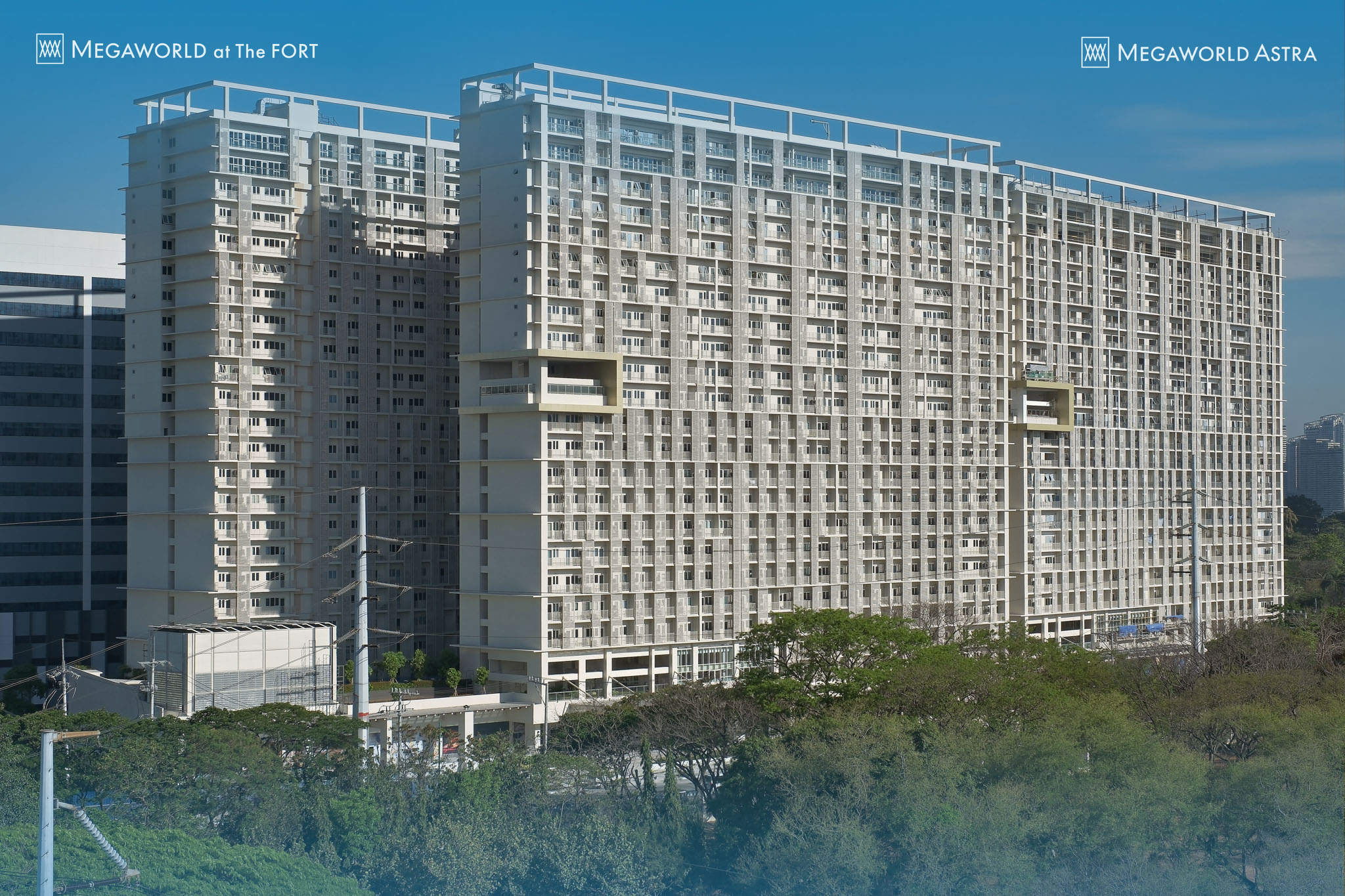
Cost of Living in BGC 2026: Monthly Budget Guide
Cost of Living in BGC: Monthly Budget for Expats, OFWs & Young Pros
By MSC Editorial — the in-house editorial team of Manila Skyline Condos, tracking Metro Manila neighborhoods, condo costs, and live condo inventory across the Philippines.
The sticker shock is real. BGC sits at the premium end of Metro Manila, and the rent figures alone can make a smart professional hesitate. But "BGC is expensive" is a starting point, not an answer. The full picture — what a realistic month actually costs across rent, association dues, utilities, groceries, transport, and the occasional night out — is what this guide maps. For three profiles: a single young professional in a studio, a mid-career expat couple in a 1-bedroom, and an OFW-funded family in a 2-bedroom. Own instead of rent? We run the ownership math too.
All peso figures below are 2026 market estimates. They are labeled clearly, sourced to Numbeo Taguig, Lamudi, and Hoppler listings, and consistent with the ranges established in the BGC neighborhood guide. BGC does not make every salary work — but it makes more of them work than most people expect going in, particularly once pre-selling amortization enters the math.
Key Takeaways
- An entry-level BGC life (studio, lean spending) costs roughly ₱60,000–₱85,000/month all-in — within reach of a senior analyst salary or a professional couple splitting costs.
- A mid-career expat couple in a 1-bedroom realistically budgets ₱130,000–₱180,000/month, depending on dining frequency and lifestyle choices.
- An OFW-funded family in a 2-bedroom targets ₱185,000–₱260,000/month, driven largely by rent and the consistent cost of a car and driver or regular ride-hailing.
- Condo association dues — often overlooked — add ₱4,000–₱10,000/month on top of rent or mortgage, depending on unit size and building tier.
- Pre-selling amortization can be substantially lower than renting the same unit — a genuine path to ownership for working professionals who can commit to a 2–4 year construction timeline.
Using this guide: figures are 2026 estimates — directional, not quotes. For a specific tower's price list and payment ladder, contact us and we'll connect you with a specialist. For the neighborhood context behind these numbers, see Living in BGC 2026. Weighing rent versus owning? We run that ownership math in the honest math on buying instead of renting.
What Does Rent and Amortization Actually Cost in BGC?
Before building the three profile budgets, a component-by-component breakdown. Each category below comes with a 2026 estimate range and a note on what drives variance. Rent — or its ownership equivalent, amortization — is the largest line item by far. From the P4 pillar's sourced 2026 ranges:
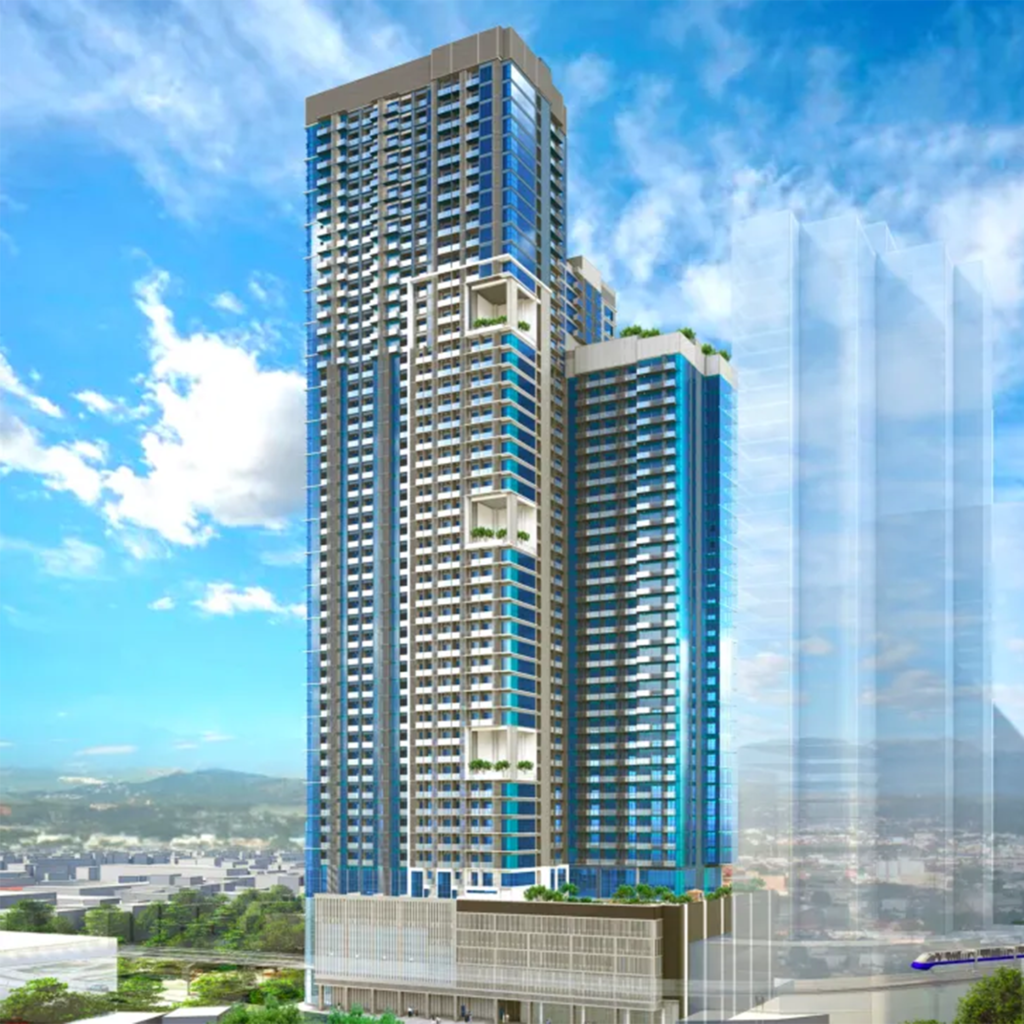
Rent is the largest line item by far — everything else in a BGC budget is a smaller multiplier on top of it.
| Unit type | Typical size | Indicative monthly rent | Indicative buy price |
|---|---|---|---|
| Studio | ~26–35 sqm | ₱28,000–₱45,000 | ₱4.5M–₱8M |
| 1-bedroom | ~35–50 sqm | ₱45,000–₱75,000 | ₱8.5M–₱20M |
| 2-bedroom | ~60–90 sqm | ₱75,000–₱130,000 | ₱16M–₱35M |
| 3-bedroom | 90+ sqm | ₱130,000+ | ₱25M–₱55M |
Sources: Lamudi Philippines BGC/Fort Bonifacio listings, Hoppler BGC listings, Fort Bonifacio Rent (fortbonifaciorent.com), 2026. Figures vary by tower, floor, furnishing, and view — treat as planning ranges.
BGC's per-sqm sale value sits roughly in the ₱170,000–₱250,000 range across the district (market estimate, 2026).
Within any single tower, the spread between the cheapest and most expensive unit of the same size can run 15–25%, driven mostly by floor level, view (skyline versus courtyard or parking-podium outlook), and corner-unit premiums. A studio on a low floor facing an interior courtyard rents or sells for meaningfully less than an identical-sized studio on a high floor with a skyline view — worth asking about specifically rather than assuming the advertised "starting price" applies to the unit you actually want.
What Are Condo Association Dues and How Much Do They Add?
Association dues — also called monthly dues or HOA dues — cover building security, upkeep, elevators, amenities (pool, gym), and common-area utilities. In BGC towers, the typical range is ₱100–₱200+ per sqm per month, depending on the building tier and amenity level.
What that means in practice:
- 30 sqm studio at ₱150/sqm → ~₱4,500/month
- 45 sqm 1-bedroom at ₱150/sqm → ~₱6,750/month
- 70 sqm 2-bedroom at ₱180/sqm → ~₱12,600/month
This is a recurring cost whether you rent or own. If you rent, the dues are usually factored into a furnished-unit price — but unfurnished leases and direct-developer pre-selling amortizations often carry dues as a separate line on top of the monthly payment. Confirm the dues rate for any specific building before signing.
Dues do not cover everything. Unit-specific repairs, in-unit appliance maintenance, and any damage inside your own walls remain the owner's or tenant's responsibility — dues fund the building's shared systems and common areas, not what happens behind your unit's front door. Move-in and move-out fees, charged separately by many BGC building administrations, are also outside the monthly dues figure and typically run a flat ₱3,000–₱8,000 one-time charge per move.
Condo dues are a recurring cost whether you rent or own — confirm the rate for any specific building before signing anything.
What Do Utilities Cost in a BGC Condo?
A BGC 1-bedroom's utility bill is driven heavily by air-conditioning in Manila's climate. Budget roughly ₱4,000–₱8,000/month for electricity, ₱500–₱1,000 for water, and ₱1,500–₱2,000 for a 1 Gbps fiber internet plan — a combined utilities subtotal of about ₱6,000–₱11,000/month for a 1-bedroom. Studio electricity runs lower, around ₱2,500–₱5,000/month; a 2-bedroom with fuller occupancy runs higher, around ₱8,000–₱16,000/month, depending on A/C hours and household size.
Estimate basis: Numbeo Taguig 2026 utility benchmarks; telecoms market rates.
What Do Groceries, Dining, and Everyday Spending Cost?
BGC's grocery options — Uptown Mall, Market! Market!, and various S&R and Rustan's outlets — skew premium versus a neighborhood wet market. A realistic grocery budget for a single professional cooking at home 4–5 days a week is ₱8,000–₱14,000/month for quality mid-tier supermarket shopping (Numbeo Taguig consumer goods estimates, 2026).
Dining out in BGC adds quickly. Lunch at a mid-tier Bonifacio High Street or Uptown Parade restaurant: ₱350–₱600. Dinner for two at a sit-down restaurant: ₱1,500–₱3,000. A single professional eating out 3x per week can expect ₱8,000–₱15,000 monthly on dining. An expat couple dining out regularly can spend ₱20,000–₱40,000 monthly on food and beverages combined.
Combining groceries and dining into one total food line — the ranges used in the profile budgets below — a single professional who mostly cooks spends roughly ₱12,000–₱18,000/month; an expat couple mixing cooking and dining out spends ₱25,000–₱40,000/month; and an OFW-funded family of four spends ₱35,000–₱55,000/month.
Beyond food, gym access and personal spending round out the everyday-cost picture. Building amenities (pool, gym) are bundled into condo dues, so residents using in-building facilities pay nothing extra. Gym-goers who want external options — Anytime Fitness, F45, CrossFit outlets — budget ₱2,500–₱4,500/month for a single membership; BGC has one of Metro Manila's densest fitness footprints, so options are within walking distance. Personal spending — entertainment, personal care, clothing, subscriptions — runs roughly ₱8,000–₱15,000/month for a single professional, ₱15,000–₱25,000/month for a couple, and ₱20,000–₱35,000/month for a family of four, including children's activities and school supplies.
What Does Transport Cost in BGC — With and Without a Car?
Inside BGC, most residents use the free BGC Bus and their own two feet. A single professional with no car can comfortably budget ₱3,000–₱6,000/month in ride-hail (Grab) for trips outside the district and the occasional cab.
A car changes the math sharply. Fuel for an average BGC commuter runs ₱5,000–₱10,000/month; a rented parking slot in a BGC tower adds ₱5,000–₱12,000/month; insurance and maintenance, amortized monthly, add another ₱3,000–₱5,000. Combined, a car owner's transport line runs roughly ₱13,000–₱27,000/month — more than double the no-car budget.
Families — especially those with school runs — almost always need a car in BGC, even given the district's walkability. International school pick-up and delivery generally requires a vehicle.
What Do Three Full Monthly Budgets Actually Look Like?
These are full monthly budget models — not optimistic scenarios, and not worst-case. Each assumes a mid-range choice within the component estimates above, built from the exact rent, dues, utilities, food, and transport ranges established section by section. None of the three profiles below assumes an extreme — the leanest possible studio life or the most lavish family setup would move each total meaningfully in either direction. Use these as a realistic middle marker, then adjust up or down for your specific rent tier, dining habits, and whether a car is in the picture.
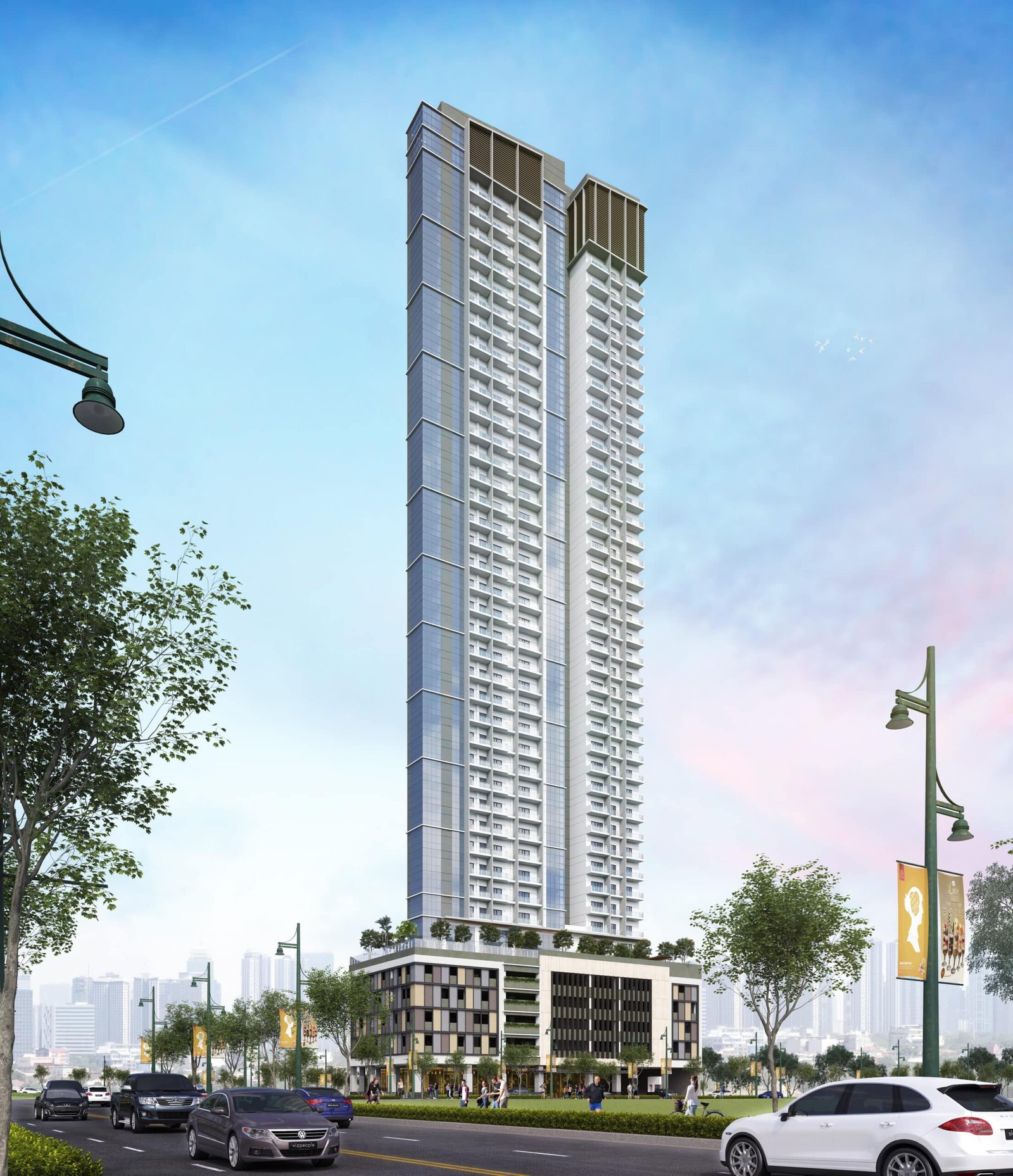
Budget Tier 1 — Lean Single Professional (Studio Unit)
Profile: Filipino young professional, 28–35, solo, uses the BGC Bus and Grab, cooks 4–5 nights a week, no car, external gym membership skipped (uses building amenities).
| Line item | Monthly estimate |
|---|---|
| Studio rent (furnished, 30 sqm, mid-tier building) | ₱35,000 |
| Condo association dues (if not in rent) | ₱0 (bundled in furnished rental price) |
| Electricity | ₱3,500 |
| Water | ₱700 |
| Internet | ₱1,800 |
| Groceries | ₱10,000 |
| Dining out / coffee | ₱8,000 |
| Transport (Grab + BGC Bus) | ₱4,000 |
| Personal / misc | ₱8,000 |
| Total | ~₱71,000/month |
Range depending on rent and habits: ₱60,000–₱85,000.
Ownership alternative: A pre-selling studio at a Megaworld Uptown Bonifacio tower (e.g. Uptown Modern or Uptown Arts Residence) on a typical developer in-house payment scheme during construction could run ₱20,000–₱35,000/month during the build period, replacing the rent line — a significant monthly saving over renting the same address. Post-turnover, the bank mortgage amortization would be higher, but the equity built during construction is the trade. We break down the mechanics fully in the pre-selling condos in Manila guide.
Budget Tier 2 — Mid-Career Expat Couple (1-Bedroom Unit)
Profile: Expat professional and partner, one income (₱150k–₱200k+ gross monthly), 1-bedroom in a well-amenitized tower, dining out 4–5x per week, no car (Grab), external gym.
| Line item | Monthly estimate |
|---|---|
| 1BR rent (furnished, 45 sqm, mid-to-upper tower) | ₱65,000 |
| Condo dues (at ₱160/sqm × 45 sqm, if separate) | ₱7,200 |
| Electricity | ₱6,500 |
| Water | ₱900 |
| Internet | ₱1,800 |
| Groceries | ₱18,000 |
| Dining out / entertainment | ₱25,000 |
| Transport (Grab-heavy, no car) | ₱8,000 |
| Gym / fitness | ₱4,500 |
| Personal / clothing / travel savings | ₱18,000 |
| Total | ~₱155,900/month |
Range: ₱130,000–₱180,000, depending on dining frequency and rent tier.
Note: condo dues bundled in many furnished 1BR listings — if the lease is for a furnished unit at market rate, the dues line may already be embedded. Always confirm with the landlord.
For OFW buyers specifically, the acquisition path is a key question. See the dedicated OFW guide to buying a condo in Manila from abroad for the remittance, verification, and SPA mechanics that apply to your situation.
Budget Tier 3 — OFW-Funded Family of Four (2-Bedroom Unit)
Profile: OFW professional abroad (nurse, engineer, or mariner), supporting spouse and 2 school-age children in BGC. One parent at home, one car for school runs, children in a Metro Manila private school (not international-tier — that's a separate, larger budget layer).
| Line item | Monthly estimate |
|---|---|
| 2BR rent (semi-furnished, 70 sqm, mid-tier tower) | ₱90,000 |
| Condo dues (~₱180/sqm × 70 sqm) | ₱12,600 |
| Electricity (family, A/C in multiple rooms) | ₱12,000 |
| Water | ₱1,200 |
| Internet | ₱1,800 |
| Groceries (family of 4) | ₱28,000 |
| Dining out / food delivery | ₱15,000 |
| Car fuel | ₱8,000 |
| Parking (monthly rented slot) | ₱8,000 |
| Car insurance + maintenance | ₱4,000 |
| Children's schooling (private Metro Manila school, not intl) | ₱20,000 |
| Personal / clothing / kids' activities | ₱18,000 |
| Total | ~₱218,600/month |
Range: ₱185,000–₱260,000. The car and schooling lines are the biggest variables. International school tuition (ISM, British School Manila) would add ₱40,000–₱80,000+ monthly to this budget — a material step up. See the Living in BGC guide's family section for the school landscape.
Buying consideration for OFW families: A Park McKinley West 2-bedroom on a Megaworld pre-selling payment scheme could redirect part of the rent line into equity. The quieter McKinley West enclave suits a family with school-age children who want proximity to BGC without the density of Uptown Bonifacio. The honest math on buying instead of renting runs the equity-vs-cash-flow numbers for families in this position.
What Does Ownership Actually Cost Compared to Renting?
Monthly cost of living doesn't change radically when you own versus rent in BGC — utilities, dues, food, and transport stay roughly the same. What changes is the rent/amortization line.
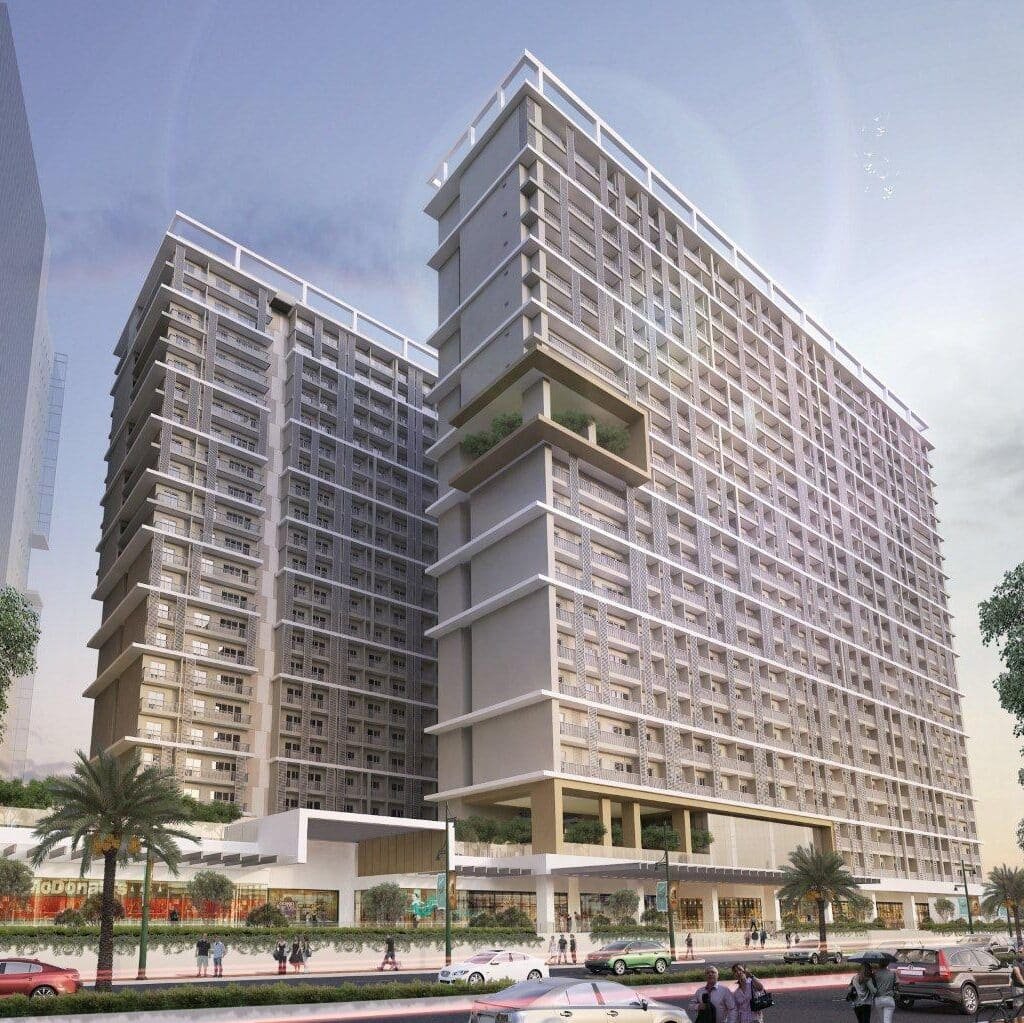
During construction (pre-selling in-house payment): Typical developer schemes spread 20–30% of the contract price across the construction period (often 2–4 years), interest-free. On a ₱9M studio, a 20% spread over 3 years = ₱600,000 ÷ 36 months = ~₱16,700/month — well below renting the same unit at ₱35,000+. The remaining 70–80% is settled at turnover via cash, bank loan, or Pag-IBIG.
After turnover (bank mortgage or Pag-IBIG): Bank mortgage on the balance (₱7.2M at ~7–8% over 20 years) → roughly ₱55,000–₱60,000/month in amortization (indicative estimate only — actual terms depend on the bank, prevailing rates, and your credit profile; verify with your bank before deciding). Pag-IBIG Fund financing is available up to ₱6M at lower government-subsidized rates — see the pre-selling guide for eligibility and mechanics.
The case for owning in BGC is ultimately long-term: you stop paying someone else's mortgage, you build equity in one of Metro Manila's most consistently rental-liquid districts, and the Metro Manila Subway's BGC stations — groundbreaking February 2026, operations targeted ~2029 — represent a transit catalyst that historically supports property values near new rail. That's a future tailwind, not a guarantee, but it's a concrete signal.
You stop paying someone else's mortgage, and you build equity in one of Metro Manila's most consistently rental-liquid districts.
Is BGC Affordable? The Honest Answer
BGC is not the cheapest way to live in Metro Manila. A single professional who prioritizes housing quality and walkability will spend ₱60,000–₱85,000/month. A mid-career expat couple with dining habits to match will spend ₱130,000–₱180,000/month. An OFW-funded family, properly set up, will spend ₱185,000–₱260,000/month.
Those are real numbers. The question isn't whether BGC is cheap — it isn't. The question is whether what you get for those numbers is worth it relative to what you'd pay and get elsewhere: a car-dependent commute, inconsistent power, a less walkable environment, a more stressful daily life. For many professionals, the BGC premium buys back hours the rest of Metro Manila costs in traffic.
For many professionals, the BGC premium buys back hours the rest of Metro Manila costs in traffic.
These budgets also don't capture every cost a household eventually faces. A security or advance-rent deposit at lease signing — commonly 1–2 months' rent plus 1 month advance — is a one-time cash outlay most first-time renters underbudget for. Health insurance (HMO coverage for expats and OFW families without an employer plan) can add ₱3,000–₱15,000+/month per person depending on coverage tier. Annual costs like condo insurance, appliance replacement, and travel budget — particularly relevant for OFW families visiting relatives — rarely show up in a monthly grid but matter over a full year. None of this breaks the affordability picture; it simply means the numbers above are the floor of a realistic budget, not the ceiling. Build in a 10–15% buffer above any of the three tiers for the costs a monthly average doesn't show.
Pre-selling makes it more attainable than renting alone suggests. Construction-period payments can run half or less of market rent on the same address, and you're building an asset in a district with strong rental absorption if your plans change.
For context, expats and returning professionals comparing BGC to other major Southeast and East Asian business districts generally find it mid-pack on cost — noticeably cheaper than a comparable-quality address in Singapore or Hong Kong, in a similar band to secondary Bangkok or Kuala Lumpur premium districts, and more expensive than most provincial Philippine cities. That framing matters most for expats weighing a Manila posting against other regional options: BGC buys Western-grade infrastructure, walkability, and safety at a price point that is high by Philippine standards but moderate by regional CBD standards. This is a qualitative, directional comparison rather than a sourced index figure, offered purely as general orientation rather than a precise numeric benchmark for financial planning purposes.
The next step is specific numbers. Pre-selling price lists, exact monthly payment ladders, and current tower promos for Uptown Bonifacio and McKinley West properties are not published online — developers release them per project and they shift as units sell. Request the BGC price list and payment plan at our contact page. We'll connect you with a specialist who can send the current figures for the specific towers you're weighing.
About the Author
MSC Editorial is the in-house editorial team behind this guide — the house editorial brand for Manila Skyline Condos. The team researches Philippine condo buying, financing, and neighborhoods using primary legal and developer sources, tracking Metro Manila neighborhood data, condo costs, and live inventory — with a focus on Bonifacio Global City, Uptown Bonifacio, and the McKinley districts of Taguig. All cost figures in this guide are clearly labeled as 2026 market estimates and sourced to the platforms cited below.
Disclaimer
This guide is general information, not financial, investment, or relocation advice. All peso figures are 2026 market estimates — they vary by building, floor, and furnishing and change over time. Mortgage amortization calculations are illustrative only and depend on actual bank terms, prevailing interest rates, and individual credit profiles. Before deciding, confirm current figures with a licensed Philippine real estate broker and verify financing terms with your bank or Pag-IBIG Fund.
Frequently Asked Questions
How much does it cost to live in BGC per month?
A single professional in a studio can expect roughly ₱60,000–₱85,000/month all-in (rent, utilities, food, and transport) as a 2026 estimate. A mid-career expat couple in a 1-bedroom realistically budgets ₱130,000–₱180,000/month, and an OFW-funded family in a 2-bedroom ₱185,000–₱260,000/month. All figures are directional estimates — actual cost depends on rent tier, lifestyle, and whether you own a car.
What are condo association dues in BGC and how much are they?
Association dues cover security, building maintenance, elevators, amenities (pool, gym, common areas), and building utilities. In BGC towers, typical dues run ₱100–₱200+ per sqm per month (2026 estimate). A 30 sqm studio adds about ₱3,000–₱6,000/month; a 70 sqm 2-bedroom adds ₱7,000–₱14,000/month. These are separate from rent in unfurnished or direct-developer lease arrangements — confirm whether they're bundled in your specific unit's rental price.
What do utilities cost in a BGC condo?
For a 1-bedroom, utilities — electricity, water, and fiber internet — run roughly ₱6,000–₱11,000/month as a 2026 estimate, with electricity the dominant line due to air-conditioning. Studios run lower (~₱4,000–₱7,000); 2-bedrooms with full-time occupancy run higher (~₱12,000–₱18,000). These are estimates based on Numbeo Taguig 2026 benchmarks.
Is it cheaper to buy a BGC condo than to rent?
During the construction period of a pre-selling unit, monthly payments can be substantially lower than market rent on the same address — sometimes half. After turnover, the bank mortgage amortization is typically higher than a construction-period installment but may be comparable to or higher than renting, depending on loan terms. The financial case for buying is primarily long-term: equity accumulation in a high-rental-demand district, not short-term monthly savings.
How much is parking in BGC?
A rented parking slot in a BGC residential tower typically runs ₱5,000–₱12,000/month (2026 estimate), and buying a parking unit adds to the purchase price. Many towers sell or assign parking separately from the residential unit.
Can an OFW afford to buy a condo in BGC?
Yes — many BGC and Uptown Bonifacio buyers are OFWs on developer in-house payment schemes. Construction-period installments are manageable on a mid-level OFW income, and Pag-IBIG Fund financing up to ₱6M at government rates is available for eligible OFW members. See the OFW condo buying guide for the full mechanics.
What is the cheapest way to live in BGC?
A lean but comfortable BGC life is: a small studio (~30 sqm) in a mid-tier tower at ₱28,000–₱35,000/month rent, no car (BGC Bus + Grab), cooking at home most nights, using building amenities instead of an external gym. All-in, this runs roughly ₱60,000–₱72,000/month as a 2026 estimate.
How does BGC cost of living compare to Makati?
BGC and Makati CBD sit at similar price tiers for condo rentals — Makati may offer slightly lower rents on older stock with comparable access to offices. BGC's edge is walkability and master-planning; Makati's edge is proximity to more established CBD infrastructure and historically deeper business networks. See the dedicated cost of living in Makati guide for the full side-by-side numbers.
What does it cost to send children to school in BGC?
A local private school in Taguig may run ₱15,000–₱30,000/month in school fees. International schools inside BGC — International School Manila, British School Manila, Everest Academy — carry substantially higher tuition, often equivalent to ₱50,000–₱100,000+ monthly when fees are annualized. Confirm directly with the school as fees vary by year level and change annually.
Where can I get the actual monthly payment for a pre-selling BGC condo?
Pre-selling price lists and monthly payment ladders are not published online — developers release them per project and adjust them as inventory sells. Request the current BGC price list via our contact page and we'll send you the specific figures for the towers you're considering.
Sources
Cost and lifestyle figures in this guide are 2026 market estimates sourced and cross-referenced below. All figures are directional — they vary by building, floor, and furnishing and change over time. They are flagged as estimates in-text throughout.
- BGC condo rent and sale price ranges (2026 estimates) — Lamudi Philippines (Fort Bonifacio listings): https://www.lamudi.com.ph/buy/metro-manila/taguig/fort-bonifacio-1/condo/ ; Hoppler BGC listings: https://www.hoppler.com.ph/condominiums-for-sale/taguig/bgc-bonifacio-global-city ; Fort Bonifacio Rent: https://www.fortbonifaciorent.com/bgc-condo
- Cost-of-living component benchmarks (groceries, utilities, dining, transport) — Taguig City — Numbeo (Taguig City, 2026): https://www.numbeo.com/cost-of-living/in/Taguig-City
- BGC overview, Uptown Bonifacio, McKinley West — Bonifacio Global City (Wikipedia): https://en.wikipedia.org/wiki/Bonifacio_Global_City
- Condo association dues / homeowner association fees (general) — Condominium Corporation, Philippines: https://www.housing.gov.ph/ ; Lamudi Philippines condo buying guide (2025): https://www.lamudi.com.ph/journal/condo-association-dues-philippines/
- Pag-IBIG Fund housing loan limits and OFW member eligibility — Pag-IBIG Fund official site: https://www.pagibigfund.gov.ph/LoanPrograms_HomeDevelopmentMutualFund.html
- Pre-selling payment scheme mechanics — Philippine Real Estate (general); consistent with DHSUD maceda law disclosures: https://www.dhsud.gov.ph
- Property locations (verified live, June 2026): Uptown Modern — Uptown Bonifacio, BGC, Taguig: https://manilaskylinecondos.com/properties/uptown-modern ; Uptown Arts Residence — 9th Avenue, Uptown Bonifacio, BGC, Taguig: https://manilaskylinecondos.com/properties/uptown-arts-residence ; Park McKinley West — McKinley West, Taguig: https://manilaskylinecondos.com/properties/park-mckinley-west
Verification note: Rent and buy price ranges are cross-referenced between the P4 pillar (living-in-bgc-2026.md) and the Lamudi/Hoppler sources cited there and above. Condo association dues (₱100–₱200+/sqm/mo) are a widely reported market benchmark — specific building dues vary and should be confirmed with the building management or developer before signing. Utility benchmarks are based on Numbeo Taguig 2026 data. Mortgage amortization calculations are illustrative only — the actual figure depends on your bank's terms and the current BSP lending rate environment. School fee ranges are directional — confirm with each school directly. No figure in this guide is fabricated; all are labeled as estimates or confirmed via the cited sources.
