
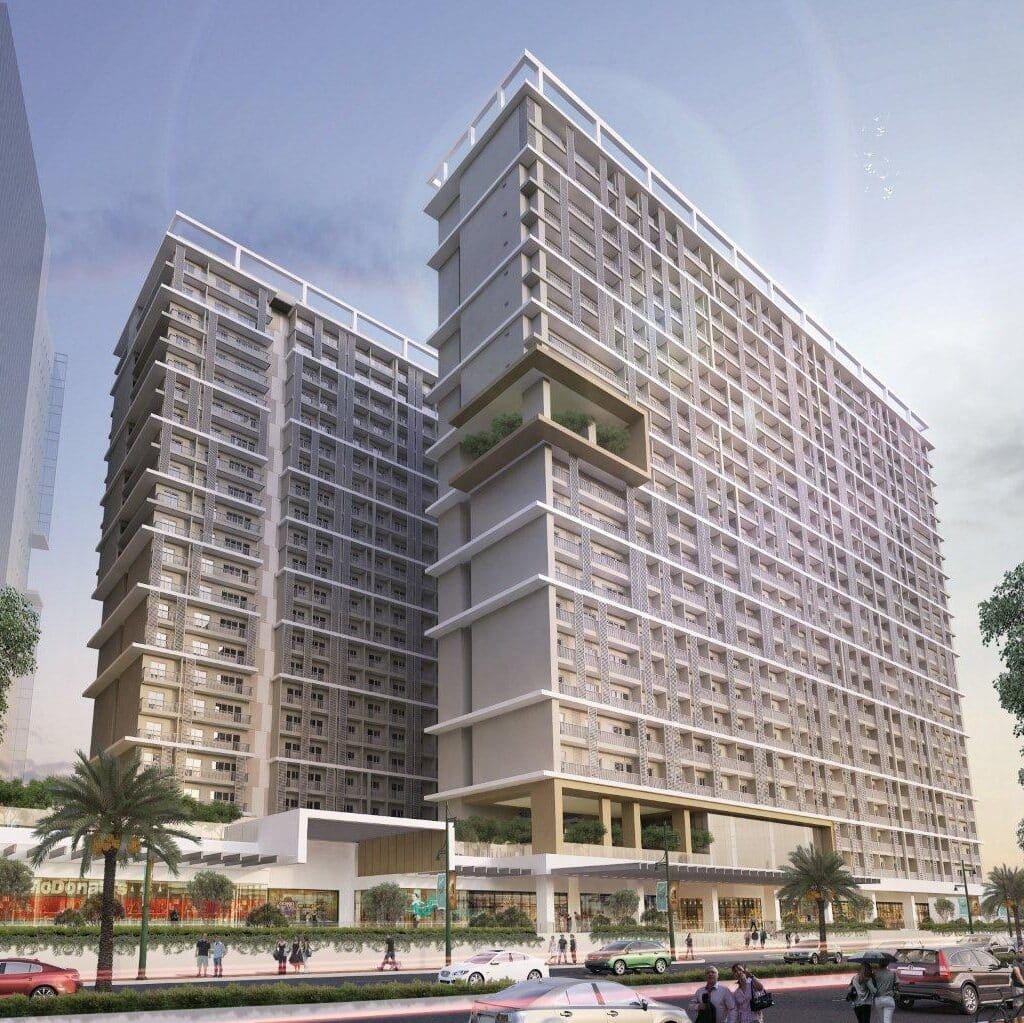
How OFWs Buy a Manila Condo From Abroad (2026 Guide)
How OFWs Buy a Manila Condo from Abroad in 2026: Zero Down, ₱14k/Month, Step by Step
By MSC Editorial — the in-house editorial team of Manila Skyline Condos, tracking OFW condo financing, developer pre-selling terms, and Metro Manila condo inventory across the Philippines.
You're putting in the hours in Dubai, Riyadh, Singapore, or onboard a vessel somewhere in the Pacific — and a part of every payday is already pointed at one thing: a place of your own back home. Here's the answer you came for, up front: yes, an OFW can buy a Manila condo entirely from abroad, in their own name, without flying home to do it. Thousands already have. You can start one with zero down payment and monthly terms around ₱14,000 during construction — roughly what you might send home anyway.
The mechanism that makes this work isn't a loophole. It's three ordinary tools used together: a Special Power of Attorney (SPA) that lets someone you trust sign in Manila on your behalf, developer pre-selling terms that spread a unit's cost over the construction years at zero interest, and Pag-IBIG Fund membership that — when you're ready — turns into a low-rate housing loan available specifically to overseas members. Stack those three and a condo in a modern Megaworld township stops being "someday" and becomes a payment plan you start this year.
This guide walks the whole journey: how to reserve a unit from overseas, how the SPA and apostille actually work, what documents you need, how to send money toward the unit, and how Pag-IBIG, bank, and in-house financing compare for an OFW. Every legal and financial claim below is grounded in official Philippine sources, cited at the end — because getting this wrong from 7,000 kilometers away is expensive, and you deserve the real version, not hearsay from a Facebook group.
Key Takeaways
- You don't have to fly home. An OFW can reserve, sign, pay for, and take title to a Manila condo from abroad using a Special Power of Attorney (SPA) that authorizes a trusted representative — a family member, lawyer, or licensed broker — to act in Manila.
- The SPA must be authenticated. Because the Philippines and most OFW host countries (US, Canada, UAE, Singapore and others) are in the Apostille Convention, you get your SPA notarized and apostilled locally — no more "red ribbon." Where there's no apostille, you consularize it at the Philippine Embassy.
- Zero down is real — through pre-selling. Megaworld and other developers let you reserve an under-construction unit for a reservation fee (often around ₱60,000, deductible from the price) and pay the equity over 36–72 months at 0% interest, which is where the ~₱14,000/month entry figure comes from.
- Pag-IBIG is the OFW's best financing tool. OFWs can be active Pag-IBIG members (including via the Pag-IBIG Overseas Program) and, with 24 monthly contributions, borrow up to ₱10 million (the ceiling was raised from ₱6M in May 2026) for up to 30 years at rates from 5.75% to 9.75%.
- Remittances do double duty. The money you already send home can be routed to a reservation, equity installments, and later a monthly amortization — payable online or by autopay from your foreign account.
- Prices aren't public for a reason. Developers release official price lists and OFW payment ladders per project. Request the current price list and an OFW-friendly zero-down plan for any building and we'll connect you to a specialist for that exact tower.
Can an OFW Really Buy a Manila Condo Without Flying Home?
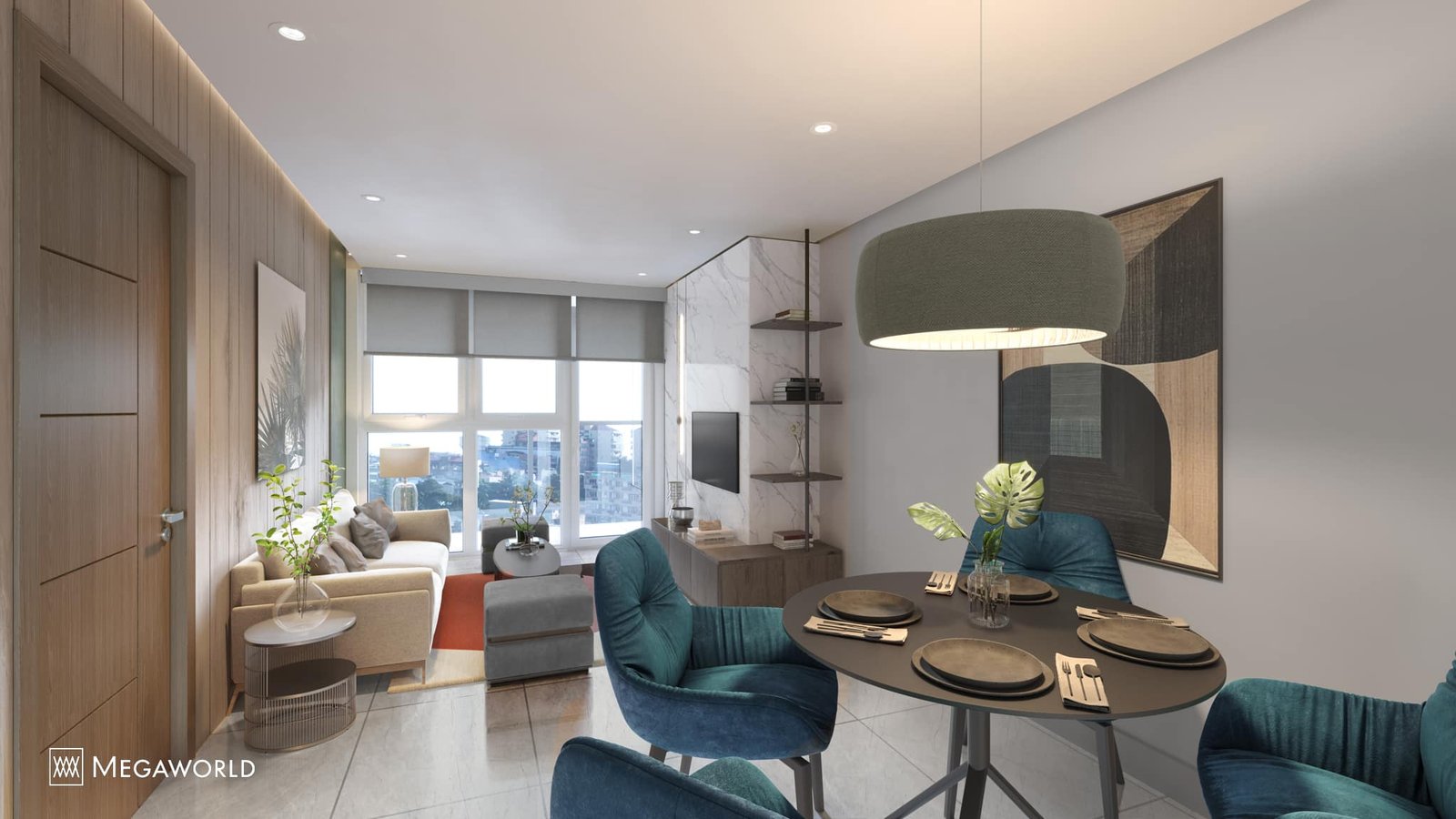
Yes — and this is the single fact that changes everything for an overseas Filipino worker. You do not need to be physically present in the Philippines to buy a condominium. The Philippine legal system anticipates exactly your situation through a document called a Special Power of Attorney.
Definition — Special Power of Attorney (SPA): A written, notarized legal instrument in which you (the principal) authorize a specific person you trust (your attorney-in-fact) to perform named acts on your behalf — here, to reserve a unit, sign the reservation agreement and Contract to Sell, pay on your schedule, and eventually accept turnover and sign the Deed of Absolute Sale. The SPA lists the exact powers and the specific property, so your representative can only do what you've spelled out.
Your representative can be an immediate family member back home, a licensed real estate broker, or a lawyer. They become your hands in Manila: they visit the showroom, submit your documents, sign where your signature is required, and shepherd the paperwork through to title transfer — while you stay on the job abroad.
This is also the moment to separate two things OFWs often confuse. As a Filipino citizen, you have full ownership rights — you can own the condo and the land if you wanted a house-and-lot; you are not limited by the 40% foreign-ownership cap that applies to non-Filipinos. (If you've taken foreign citizenship, the rules shift; that's a different path covered in our foreigner's guide to buying Philippine property.) For a Filipino OFW buying a condo, the law is firmly on your side. The only real friction is logistics — distance, documents, and timing — and the SPA is built to remove it.
How Does the SPA and Apostille Process Actually Work?
This is the step that intimidates people most, so here it is plainly. You create an SPA, you get it legally authenticated in the country where you're working, and you send the authenticated original to your representative in Manila. Done correctly, it carries full legal effect in the Philippines.
There are two authentication routes, and which one you use depends on where you are:
Definition — Apostille: A single certificate, attached by a designated authority in your host country, that legalizes a public document for use in any other country that's part of the Apostille Convention (the Hague Convention of 1961). The Philippines joined in 2019. If your host country is also a member — the US, Canada, UK, Australia, Singapore, Japan, UAE and many others are — an apostilled SPA needs no further consular step.
Route 1 — Apostille (most OFWs). Sign the SPA in front of a local notary (do not sign before you reach the notary), then submit it to the relevant authority in your host country for an apostille. The apostilled SPA can be couriered straight to your representative in Manila and used as-is. This is usually the faster, cheaper path.
Route 2 — Consularization. If your host country isn't in the Apostille Convention, you instead execute or authenticate the SPA at the nearest Philippine Embassy or Consulate (a consularized SPA). The Philippines runs consulates in cities like Los Angeles, San Francisco, New York, Houston, Chicago, Honolulu and Dubai, with an embassy in Washington, DC — so many OFWs near a post can simply notarize there.
A few practical notes that save weeks: name your representative precisely (full legal name, ID details), describe the property and powers specifically, and budget for courier time — the original authenticated SPA usually has to physically reach Manila. Once it does, your representative is cleared to act. We line up your representative-side checklist when you talk to an OFW specialist, and you can see the document-by-document breakdown in our OFW documents and requirements guide.
What Documents Does an OFW Need to Buy from Abroad?
The list is short, and most of it you already carry. Your representative submits these to the developer; you supply them digitally and, for the SPA, by courier.
From you (the OFW, abroad): - Valid passport (Philippine passport, or proof of Filipino citizenship) - A second valid government-issued ID - Proof of income — your employment contract or Certificate of Employment, recent payslips (typically 3–6 months), or your latest crew contract if you're sea-based - Proof of billing/address abroad - TIN (Tax Identification Number) — and if you don't have one, your representative can secure it for you - The authenticated SPA (apostilled or consularized original)
From the developer (verify these — they protect you): - A written Reservation Agreement and later the Contract to Sell - The project's DHSUD License to Sell — confirm the building is licensed by the Department of Human Settlements and Urban Development before you pay a peso - The Condominium Certificate of Title (CCT) details for the unit
That DHSUD License to Sell is your single most important safeguard buying from abroad. A legitimate pre-selling tower from an established developer like Megaworld has one; if a "seller" can't show it, walk away. Verifying it is one of the things an accredited specialist does for you before you commit.
How Does Zero Down Payment and ₱14k/Month Actually Work?
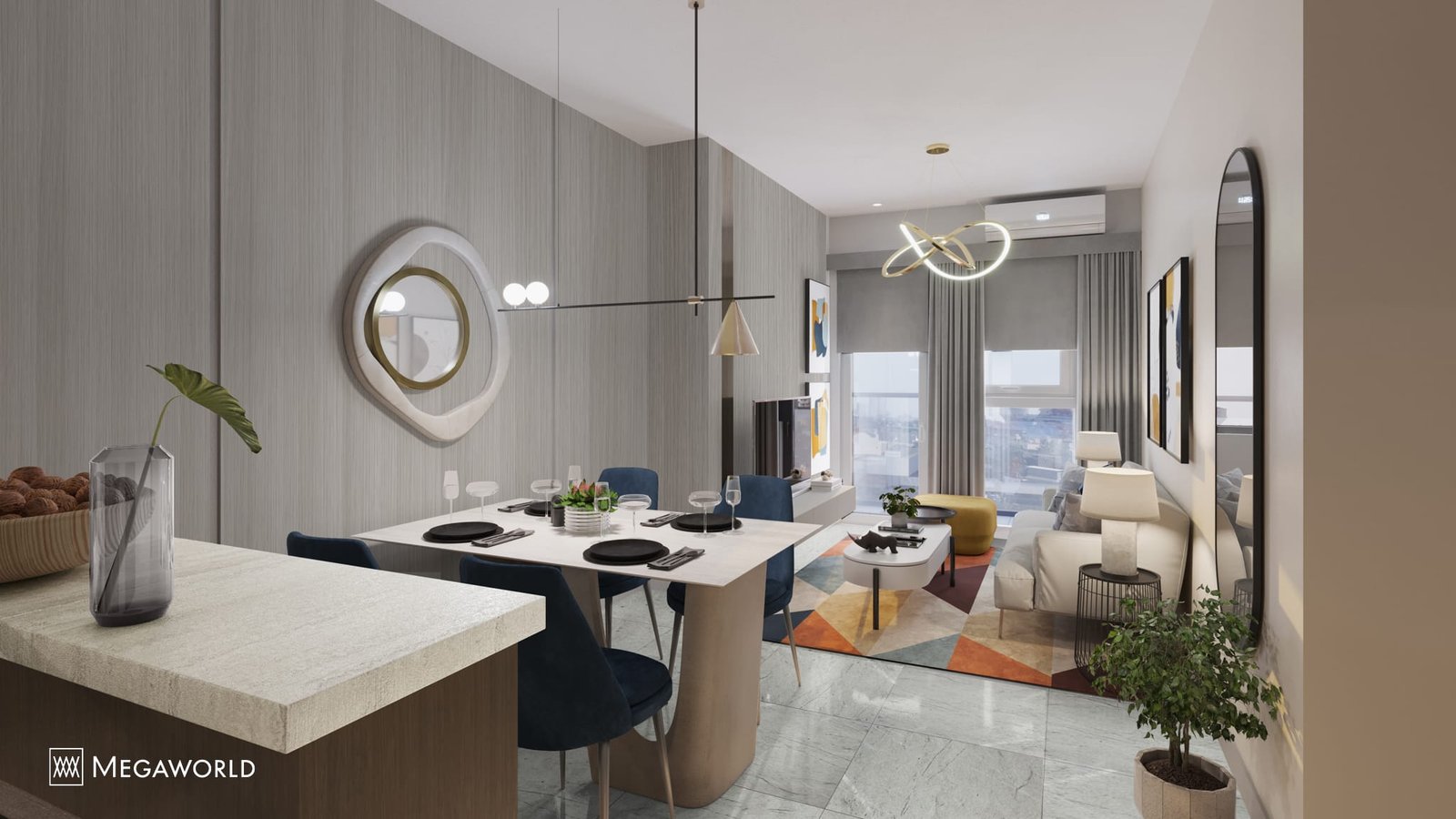
The affordability story for OFWs lives almost entirely in one word: pre-selling. Buying a unit while the building is still going up is what unlocks zero-down terms and small monthly payments.
Definition — Pre-selling condo: A unit sold before the tower is finished. You're buying early, at the project's earliest (lowest) pricing, and paying your equity in installments across the 2–5 year construction window. In exchange for committing early, the developer typically waives the down payment and charges 0% interest on those construction-period installments.
Here's the mechanics, using how Megaworld structures it:
- Reservation. You pay a reservation fee — often around ₱60,000 — to lock your specific unit and its price. That fee is deductible from the contract price, so it's not a sunk cost; it's your first payment.
- Equity over construction. Instead of a lump-sum down payment, the developer spreads your equity across the build period. Common terms run 0% interest over 36 to 72 months. Stretch the same equity over 72 months instead of 36 and the monthly number drops sharply — this is where entry-level units land around ₱14,000/month, and why some configurations advertise figures in the low ₱20,000s and up depending on unit size and tower.
- Balance at turnover. When the tower is finished, the remaining balance comes due. That's the point where most buyers shift to a Pag-IBIG or bank housing loan, or continue on developer in-house financing.
The honest trade-off: the zero-interest magic applies to the construction-period equity, not the post-turnover balance. In-house financing after turnover is the most expensive route (rates commonly run 12%–18%), so the smart OFW plan is to maximize the interest-free years and arrange Pag-IBIG or a bank loan to take over the balance. We break the arithmetic down honestly — including whether ₱14,000/month is realistic for your target unit — in Can You Really Buy a Condo with ₱14,000/Month?. Exact ladders are released per project, so request the price list and payment plan for the tower you're eyeing and we'll show you the real monthly figures.
Can OFWs Get a Pag-IBIG Housing Loan — and How Much?
Yes, and for most OFWs this is the most powerful financing tool available — often beating both banks and in-house terms. The Pag-IBIG Fund (the Home Development Mutual Fund) is built to serve overseas members specifically.
Definition — Pag-IBIG Overseas Program (POP): The Pag-IBIG membership track for OFWs, letting you contribute and stay an active member while working abroad. Active membership is what qualifies you to apply for a Pag-IBIG housing loan from overseas.
Here's what the current rules say for OFWs (verified against Pag-IBIG and Philippine news sources, 2026):
- Membership requirement: You must be an active Pag-IBIG member with at least 24 monthly contributions (they need not be consecutive — you can pay a lump sum to reach 24).
- Maximum loanable amount: ₱10 million per borrower. This ceiling was raised from ₱6 million in late May 2026, widening access for buyers in pricier Metro Manila markets. Note that many guides published before mid-2026 still cite the old ₱6M figure — confirm the current cap with Pag-IBIG.
- Loan term: up to 30 years, with the borrower not more than 65 years old at loan maturity.
- Interest rates: range from 5.75% (1-year repricing) up to 9.75% (30-year repricing) for 2026, depending on the fixing period you choose. Borrowers under the government's Expanded 4PH program may access a subsidized 3% rate.
- Loan-to-value: properties under ₱2.5M can be financed up to 95% (5% down), and properties ₱2.5M and above up to 90% (10% down).
- Apply from abroad: through Pag-IBIG overseas offices, accredited developers, or your SPA holder in the Philippines.
One reality check most articles skip: even with a ₱10M ceiling, the amount you can borrow is usually capped by income, not the ceiling — your monthly amortization generally can't exceed about 35% of your gross monthly income. So your salary and proof of remittance drive your real loanable amount more than the headline number does. We walk through eligibility, the contribution math, and the application steps in Pag-IBIG Housing Loan for OFWs: Eligibility, Limits & How to Apply. Because terms and ceilings change, treat these figures as a starting map and confirm specifics with Pag-IBIG directly.
Pag-IBIG vs Bank vs In-House Financing: Which Is Best for an OFW?
When the construction-period equity is paid and the balance comes due, you'll choose one of three ways to finance it. They are genuinely different in cost and effort, and the right answer depends on your contribution history, income proof, and timeline.
| Financing path | Typical interest (2026) | Max term | Who it suits | OFW notes |
|---|---|---|---|---|
| Pag-IBIG Fund | ~5.75%–9.75% (3% under Expanded 4PH) | Up to 30 years | OFWs with 24+ contributions wanting the lowest rate | Lowest cost; needs active membership; ₱10M cap; slower processing |
| Bank financing (BDO, BPI, others) | ~6%–10% | Up to 20–25 years | OFWs with 2–3 years steady, documented income | Faster than Pag-IBIG; wants remittance history / COE; finances ~80–90% |
| Developer in-house | ~12%–18% | ~5–10 years | Buyers who can't yet qualify for Pag-IBIG or a bank | Easiest approval, no third-party check — but by far the most expensive |
The pattern for most OFWs is clear: use pre-selling's zero-interest years to build equity, then take over the balance with Pag-IBIG (cheapest) or a bank (fastest), and treat in-house financing as a bridge only if you can't yet qualify for the other two. Banks lean on your remittance record and Certificate of Employment, so keep clean documentation of the money you send home — it's not just support for the family, it's your loan file. We run the side-by-side numbers in Pag-IBIG vs Bank Financing vs In-House: Which Is Cheapest for You?.
How Do OFWs Send Money Toward the Condo?
The same remittance habit you've already built becomes your payment engine — for the reservation, the monthly equity, and later the amortization.
Practically, money moves three ways: the reservation fee by international bank transfer, credit card, or a remittance service; the equity installments monthly through your usual channel; and the monthly amortization later, which you can often put on autopay from your foreign bank account so it never lapses while you're at sea or on shift.
OFWs reliably use services like Wise, Remitly, WorldRemit, Xoom, and traditional bank wires, plus region-specific options (Al Ansari and UAE Exchange in the Gulf, SBI Remit in Japan, Instarem and SingX in Singapore). The right pick usually comes down to the best exchange rate and lowest fee on your salary's currency — small percentages add up across years of payments. You can also pre-fund post-dated arrangements through your representative so a missed connection never means a missed payment. We turn this into a set-and-forget system in Sending Remittances Toward a Mortgage. The deeper point: the discipline that makes you a good provider — sending money home, on time, every month — is exactly the discipline that makes you a homeowner.
What's the Full Step-by-Step to Buy from Abroad?

Putting it all together, here's the realistic sequence from your phone overseas to keys in your representative's hand:
- Shortlist 2–3 towers. Pick by location (proximity to family, transit, a future rental market), unit size, and turnover year. OFW-friendly, modern options include Uptown Modern and Park McKinley West in the Uptown Bonifacio/McKinley area, or 9 Central Park near Manila Bay — or browse all property listings.
- Request the price list and OFW plan. Pricing and the zero-down ladder are released per project. Get the current numbers and confirm a unit is available.
- Reserve the unit. Pay the reservation fee (often ~₱60,000, deductible) to lock your unit and price.
- Execute your SPA. Notarize and apostille (or consularize) the SPA in your host country; courier the original to your representative.
- Submit documents and sign. Your representative submits your passport, ID, income proof, TIN, and signs the reservation agreement and Contract to Sell on your behalf.
- Pay equity over construction. Send your monthly installments through your remittance channel during the 36–72 month build window.
- Arrange take-over financing. Before turnover, line up Pag-IBIG or a bank loan for the balance (or continue in-house if needed).
- Turnover and title. Your representative inspects the unit, signs the Deed of Absolute Sale, settles transfer taxes and registration, and the Condominium Certificate of Title is registered in your name at the Registry of Deeds.
The whole process typically takes 2–6 months to get under contract (longer to full turnover for pre-selling, since you're paying through construction). None of it requires you to leave your job abroad. The closest thing to a complete walkthrough is our conversion-stage guide, How to Buy a Condo While Working Abroad (Without Flying Home) — and when you're ready to move, an OFW specialist handles the Manila-side mechanics end to end.
A Quick, Honest Disclaimer
This guide is general information for OFWs, not legal, tax, or financial advice. Philippine property rules, Pag-IBIG loan terms, and developer payment schedules change, and your situation is unique. The Pag-IBIG ceiling, interest rates, and OFW eligibility details above were accurate to mid-2026 sources but should be confirmed directly with the Pag-IBIG Fund, a licensed real estate broker, and/or a lawyer before you sign or remit money. We connect buyers with accredited developer sales specialists.
About the Author
MSC Editorial is the house editorial brand for Manila Skyline Condos. The team researches Philippine condo buying, financing, and neighborhoods across the Philippines using primary legal and developer sources — tracking Metro Manila pre-selling inventory, developer payment terms, and OFW financing rules including Pag-IBIG and remittance mechanics — so overseas Filipino buyers get current, source-checked information instead of forum guesswork.
Picture the Home You're Building Toward
Step back from the paperwork for a second. What you're actually arranging — from a labor camp in the Gulf or a galley at sea — is a titled unit in a modern Metro Manila township with backup power, smart-home wiring, and a train line at the gate. An affordable luxury condo with real amenities, bought one disciplined remittance at a time, owned in your own name, waiting for the homecoming. That's not a fantasy version of the OFW story; it's the version thousands are quietly living, and the tools to do it — the SPA, pre-selling, Pag-IBIG — are ordinary and available to you right now.
When you're ready to see real numbers for a specific building, request the current price list, an OFW-friendly zero-down payment plan, and a specialist for that exact tower. One short form gets you all three: the official price list that isn't published online, a zero-down payment ladder mapped to your salary and timeline, and a dedicated specialist for the building you're eyeing who handles the Manila-side mechanics end to end — no pressure, no obligation. Take the first step today and turn the remittance you already send into a unit titled in your own name. And if you're already imagining the neighborhood, see what it's like living in BGC in 2026.
Frequently Asked Questions
Can an OFW buy a condo in the Philippines without coming home?
Yes. By executing a Special Power of Attorney (SPA), you authorize a trusted representative in the Philippines to reserve, sign, pay for, and take title to a condo on your behalf. You can complete the entire purchase from abroad without flying home.
What is a Special Power of Attorney (SPA) and who can I name?
An SPA is a notarized legal document naming a specific person to act for you in named transactions. You can name an immediate family member, a licensed real estate broker, or a lawyer. It should spell out the exact powers (reserve, sign, pay, accept turnover) and the specific property.
Do I need to apostille or consularize my SPA?
If you're in a country that's part of the Apostille Convention (US, Canada, UK, Australia, Singapore, Japan, UAE and many others), you notarize the SPA locally and have it apostilled, with no consular step needed. If your host country isn't a member, you consularize it at the nearest Philippine Embassy or Consulate.
Can OFWs get a Pag-IBIG housing loan from abroad?
Yes. OFWs can be active Pag-IBIG members (including through the Pag-IBIG Overseas Program) and, with at least 24 monthly contributions, apply for a housing loan from abroad via Pag-IBIG overseas offices, accredited developers, or an SPA holder in the Philippines.
How much can an OFW borrow from Pag-IBIG in 2026?
Up to ₱10 million per borrower, a ceiling raised from ₱6 million in late May 2026, repayable over up to 30 years at interest rates from about 5.75% to 9.75%. In practice, your income (amortization capped near 35% of gross monthly income) usually limits the amount more than the ceiling does. Confirm current figures with Pag-IBIG.
How does zero down payment work, and is 14,000 pesos per month realistic?
Zero down comes from pre-selling: you reserve an under-construction unit (often around 60,000 pesos, deductible from the price) and pay equity at 0% interest over roughly 36 to 72 months. Stretching equity over the longer term is what produces entry figures near 14,000 pesos per month on smaller units; larger units run higher. Exact numbers are released per project.
What documents does an OFW need to buy a condo?
A valid passport (or proof of Filipino citizenship), a second government ID, proof of income (employment contract or Certificate of Employment, payslips, or crew contract), proof of address abroad, a TIN (obtainable through your representative), and the authenticated SPA. The developer should provide a Reservation Agreement, Contract to Sell, and a DHSUD License to Sell.
How do I send money for the reservation and monthly payments?
Through international bank transfer, credit card, or remittance services such as Wise, Remitly, WorldRemit, or Xoom, plus region-specific providers. Monthly amortizations can often be set to autopay from your foreign bank account so payments never lapse while you're working.
Is Pag-IBIG, a bank, or in-house financing cheaper for an OFW?
Pag-IBIG is usually the lowest cost (about 5.75% to 9.75%, or 3% under Expanded 4PH) but processes slower; banks are faster (about 6% to 10%) and lean on your remittance history; developer in-house financing is the easiest to qualify for but the most expensive (about 12% to 18%). Most OFWs use pre-selling's zero-interest years, then take over the balance with Pag-IBIG or a bank.
Why aren't condo prices shown on this site?
Developers release official price lists, payment ladders, and floor plans per project, and OFW-friendly terms change as buildings sell out. Request the price list for any building and we'll connect you with a specialist for that tower who has the current numbers and a zero-down plan.
Sources
Legal and financial facts in this guide were verified against the following authoritative sources:
- Pag-IBIG Fund housing loans — official program (eligibility, availment) — Pag-IBIG Fund: https://www.pagibigfund.gov.ph/availmentofnewloan.html
- Pag-IBIG housing loan ceiling raised to ₱10 million (from ₱6M), effective late May 2026; up to 30-year term; 5.75%–9.75% rates; 3% under Expanded 4PH — Philippine News Agency: https://www.pna.gov.ph/articles/1275989 ; Inquirer Business: https://business.inquirer.net/592574/pag-ibig-raises-housing-loan-limit-to-p10m ; GMA News: https://www.gmanetwork.com/news/money/personalfinance/989313/pag-ibig-hikes-maximum-housing-loan-amount-to-p10m-per-borrower/story/
- Pag-IBIG OFW eligibility (24 monthly contributions, Pag-IBIG Overseas Program, max 65 at maturity, LTV 90–95%, ~35% income cap, apply from abroad) — Homeward Pag-IBIG OFW guide: https://homeward.ph/guides/pag-ibig-housing-loan/
- Special Power of Attorney for property purchase; apostille vs consularization; Philippines + US/host countries in Apostille Convention — Respicio & Co. (consularized SPA): https://www.lawyer-philippines.com/articles/consularized-special-power-of-attorney-philippines ; DFA Authentication (Apostille) Division: https://www.apostille.gov.ph/documentary-requirements/ ; SF Notary apostille guide: https://sfnotary.com/apostille/apostille-legalization-authentication-philippines-special-power-of-attorney/
- OFW step-by-step buying process, SPA authentication, document checklist, DHSUD License to Sell, remittance channels, financing comparison — Homeward OFW condo buying guide: https://homeward.ph/guides/ofw-condo-buying-guide/
- Developer pre-selling zero-down mechanics (₱60,000 reservation deductible from price; 0% interest over 36–72 months; OFW payment options) — Megaworld Living reservation guide: https://www.megaworldliving.com/how-to-reserve-a-unit-in-megaworld ; Megaworld BGC pre-selling: https://www.megaworld-bgc.com/blog/pre-selling-condo-bgc/
- OFW remittances and property allocation trend (BSP data; remittance channels) — Inquirer Business: https://business.inquirer.net/516236/ofw-remittances-a-low-hanging-fruit-for-philippine-property-recovery
Note on verification: OFW Pag-IBIG eligibility, the ₱10M loan ceiling (raised May 2026), interest rates, and the SPA/apostille process were confirmed against official Pag-IBIG, DFA, and Philippine news sources. The ₱60,000 reservation fee and 0%-interest 36–72 month pre-selling terms are developer-published norms that vary by project and tower — exact OFW payment ladders and the ~₱14,000/month figure must be confirmed per building. Where guides published before mid-2026 still cite the old ₱6M Pag-IBIG cap, the current ₱10M figure governs; confirm directly with Pag-IBIG.