
Living in Makati 2026: Neighborhoods, Costs & Life
Living in Makati 2026: Neighborhoods, Real Condo Costs, and Daily Life in the CBD
By MSC Editorial — the in-house editorial team of Manila Skyline Condos, tracking Metro Manila neighborhoods, condo costs, and live condo inventory across the Philippines.
The decision to live in Makati usually starts as a commute calculation and ends as an identity question. You can rent a desk-to-door studio two MRT stops from your office tower on Ayala Avenue — but the version of Makati you actually live in depends entirely on which of its districts you pick. The Makati of a Salcedo Village banker is not the Makati of a Poblacion bartender, and neither is the Makati of a Rockwell family with a school run. Same city, four different daily lives, four different budgets. Makati is the Philippines' oldest and most established central business district, and that maturity cuts both ways: decades-deep restaurants, weekend markets locals actually shop, real street life after dark, and the country's densest cluster of corporate headquarters — against older buildings, tighter streets, and a price floor that, in the prime villages, sits at the top of the national market. The honest question is not "is Makati nice." It is "which Makati, and at what monthly number."
This guide answers that directly: where each district is and who it suits, what it costs to rent and to buy in 2026, how you get around, what the lifestyle genuinely delivers after the brochure language, and the case for choosing nearby BGC instead.
Key Takeaways
- Makati is the Philippines' foremost central business district, a privately managed 24-hour commercial core in Metro Manila built around Ayala Avenue, with residential life concentrated in Salcedo Village, Legaspi Village, Poblacion, Rockwell, and San Lorenzo/Bel-Air.
- District choice drives everything. Salcedo and Legaspi are walkable mid-rise village living beside the CBD; Poblacion is the nightlife-and-creative quarter at the lowest entry prices; Rockwell is the upscale self-contained enclave at the top of the price table.
- Renting a 1-bedroom runs roughly ₱35,000–₱70,000/month in 2026, with 2-bedrooms commonly ₱80,000–₱150,000; buy prices run about ₱180,000–₱280,000 per sqm in the CBD and ₱250,000–₱380,000 per sqm in Rockwell (market estimates; confirm current figures).
- Transit is Makati's quiet advantage and its open question. MRT-3 stops at Ayala and Magallanes; the national Metro Manila Subway is slated to serve Makati on its Valenzuela–NAIA–BGC line, while the standalone Makati Intra-city Subway stalled in a 2026 legal settlement (official status, subject to change).
- The lifestyle is established, not engineered — Greenbelt, Glorietta and Power Plant malls, the Salcedo (Saturday) and Legaspi (Sunday) weekend markets, Poblacion's bar scene, Ayala Triangle Gardens, and Makati Medical Center within the core.
- Makati suits people who want a central, walkable, established CBD with real street life; those wanting the newest, most car-free planned grid often prefer BGC, a short drive across the river.
Quick orientation: This is the lifestyle pillar for Makati. If you want the money side, see the cost of living in Makati breakdown and the honest math on renting versus buying. Comparing districts? Read Makati vs BGC and the sibling living in BGC 2026 guide. Foreign buyer? Start with can foreigners buy a condo in the Philippines.
Where Is Makati and What Are Its Main Districts?
Makati sits at the geographic center of Metro Manila, south of the Pasig River and west of Bonifacio Global City, which it borders along the C-5 corridor. The part everyone means by "Makati" is the Makati Central Business District — a privately owned, estate-managed financial core developed by Ayala Corporation from the 1960s onward, organized around Ayala Avenue, the Philippines' equivalent of a Wall Street. The CBD is not one neighborhood; it is a cluster of named villages and sub-districts, and choosing where to live in Makati is really choosing among them.
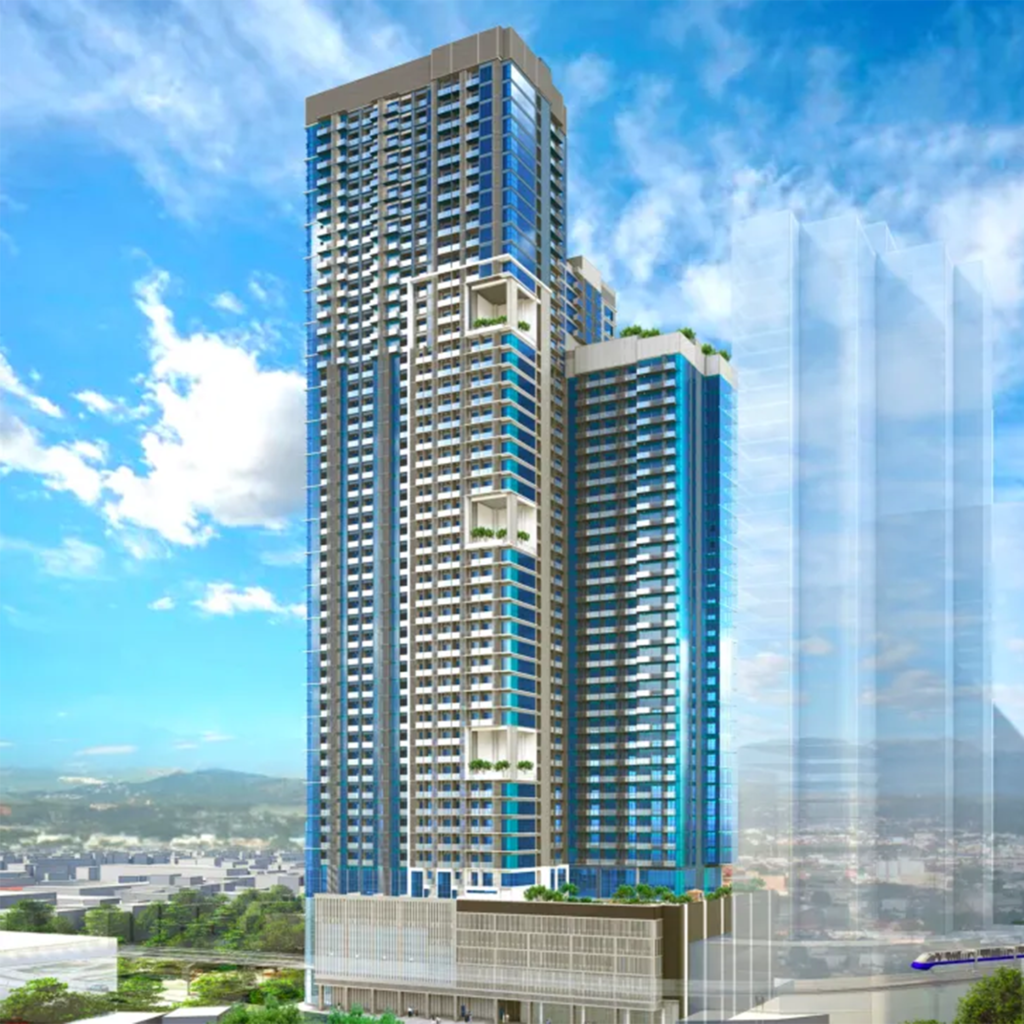
At a glance — the districts that matter for residents: - Salcedo Village — a dense residential-and-office pocket on the east side of the CBD, home to towers like RCBC Plaza and the Saturday Salcedo Market; walkable, central, mid-to-premium priced. - Legaspi Village — Salcedo's quieter, leafier neighbor, known for tree-lined streets, cafés, Legazpi Active Park, and the Sunday Legaspi Market. - Poblacion — Makati's original Spanish-era town center, now the creative-and-nightlife quarter; the city's lowest condo entry prices sit here. - Rockwell Center — a master-planned, self-contained upscale enclave anchored by Power Plant Mall; the top of Makati's price table. - San Lorenzo, Bel-Air, and the Ayala Center — established residential villages and the retail core (Greenbelt, Glorietta) stitching the CBD together.
For a resident, the practical read is that these districts barely a kilometer apart can differ by a factor of three on price and entirely on character. A Legaspi café morning and a Poblacion midnight are the same city. We break the trade-offs down street by street later in this guide, in the head-to-head Makati vs BGC comparison.
What Is Daily Life in Makati Actually Like?
Daily life in Makati is the life of an established city center, not a planned campus — and that distinction is the whole personality of the place. Inside the CBD villages, you can walk: Salcedo and Legaspi were built dense and mixed-use, so a morning coffee, a grocery run, an office tower, and a weekend market are within a few blocks of each other. Step outside the village grid and you meet older Manila — narrower streets, mixed building ages, and traffic that earns its reputation.
A typical CBD day runs like this. Coffee and a desk at a co-working floor or an Ayala Avenue tower, lunch at Greenbelt or one of Legaspi's restaurant rows, an afternoon errand at Glorietta, a gym session, and dinner that can go in any direction — a Greenbelt fine-dining institution, a Salcedo hole-in-the-wall, or a Poblacion bar crawl that runs past midnight. Weekends pull toward the neighborhood markets and green spaces covered in the lifestyle section below.
Makati is more alive than its newer rivals, and that aliveness is also its friction: real street life and decades-deep restaurants against decades-old buildings and tighter sidewalks. The Michelin Guide's own Makati neighborhood guide frames it the same way — Makati for every kind of traveler, and resident.
How Much Does It Cost to Rent or Buy a Condo in Makati in 2026?
This is where the district map turns into a budget. Makati spans the widest price range of any Metro Manila CBD — a Poblacion studio and a Rockwell three-bedroom are the same postal area and an order of magnitude apart. The figures below are 2026 market estimates drawn from Philippine listing platforms and brokerage data; they move with the building, the floor, the view, and the furnishing, so treat them as a planning range, not a quote.
| District / unit | Indicative rent (2026) | Indicative buy price per sqm (2026) |
|---|---|---|
| Poblacion studio / 1BR (value entry) | ₱25,000–₱45,000/mo | ₱150,000–₱220,000 |
| Salcedo / Legaspi 1BR (CBD core) | ₱35,000–₱70,000/mo | ₱180,000–₱280,000 |
| Salcedo / Legaspi 2BR | ₱80,000–₱150,000/mo | ₱180,000–₱280,000 |
| Rockwell 1–2BR (premium enclave) | ₱70,000–₱200,000+/mo | ₱250,000–₱380,000 |
Sources: Lamudi Makati condo listings, Franchise Manila 2026 Makati Rental Yield Report, Luxury Makati 2026 price FAQ, and Hoppler Rockwell listings, 2026. Rockwell's median list price sits near ₱312,000/sqm; CBD Ayala Land new launches run roughly ₱180,000–₱280,000/sqm. Figures are market estimates that vary by tower, floor, and view — confirm current pricing before deciding.
Two things the table hides are worth surfacing. First, Poblacion is the affordability lever — it is the one Makati district where a young Filipino professional or a budget-conscious expat can enter the CBD's orbit without CBD-core pricing, which is exactly why it draws first-time buyers. Second, the sale-price column assumes a cash-style purchase. Pre-selling towers — units sold while the building is still under construction — let you reserve with little or no down payment and pay the developer in staggered installments across the 2–4 year build, which is how a working professional, not only an investor, gets into a central address. We explain the mechanics in the pre-selling condos in Manila guide, and put real monthly numbers against each profile in cost of living in Makati.
Want the real numbers for a specific tower? Pre-selling price lists, the exact monthly payment ladder, and current promos are released by developers per project and shift as units sell — they are not published online. Tell us your budget and we will send Makati-area and nearby BGC/McKinley options plus price lists, with a specialist for the buildings that fit.
What Are the Living Costs Beyond Rent in Makati?
Rent or amortization is the largest line, but Makati living carries recurring costs that tilt toward the premium end because of where you are — and they vary by district as much as rent does.
- Condo association dues typically run around ₱100–₱200+ per sqm per month, covering security, building upkeep, and amenities; a Rockwell tower with a full amenity deck sits at the higher end, a no-frills Poblacion building at the lower.
- Groceries and dining skew premium inside the CBD villages — a Greenbelt or Power Plant supermarket run costs more than a neighborhood palengke, and Makati's restaurant density makes eating out an easy daily habit that compounds.
- Utilities (electricity, water, internet) for a 1-bedroom commonly run a few thousand pesos a month, with air-conditioning the main driver in Manila's climate.
- Parking is a real and separate cost — a slot in a CBD or Rockwell tower is often bought or rented apart from the unit, and in the older, denser CBD it is genuinely scarce.
The directional truth: a single professional lives comfortably in a Salcedo or Poblacion studio on a solid mid-career salary, while a family targeting Rockwell and a 2–3 bedroom unit needs a high household income. We attach real monthly numbers to each profile — expat, OFW-funded, and young local professional — in the dedicated cost of living in Makati breakdown. For OFWs weighing a city-center unit from abroad, the buying mechanics live in the OFW guide to buying a Manila condo.
How Do You Get Around Makati — Today's Transit and the Coming Subway?
Getting around Makati is genuinely easier than getting around most of Metro Manila — inside the CBD, walking and short rides cover most days, and unlike its newer rival, Makati already touches the rail network. MRT-3 stops at Ayala station (beside Glorietta and the Ayala Center) and at Magallanes on the city's southern edge, putting the EDSA corridor and a chunk of Metro Manila within a single transfer. Inside the CBD villages, Salcedo and Legaspi are walkable end to end, and short ride-hail hops cover the rest.
Getting out is where Makati pays the Metro Manila tax: EDSA runs along its western flank and carries the capital's notorious traffic, and the drive to Ninoy Aquino International Airport is short on the map but traffic-dependent in practice. Makati's central position helps — you are closer to more of Metro Manila than most districts — but the roads around it are still the roads around it.
At a glance — Makati access in 2026: Inside: walkable CBD villages plus short ride-hail hops. Rail: MRT-3 at Ayala and Magallanes stations. To BGC: short drive across the C-5 corridor, traffic-variable. To NAIA airport: short distance, traffic-dependent (plan generously at peak). Coming: a Metro Manila Subway Makati station (below).
The transit story has a 2026 twist worth getting right: there are two different subway stories touching Makati, and only one is moving forward.
The first is the national Metro Manila Subway Project (MMSP) — a 33-kilometer line running from Valenzuela in the north down to NAIA, Makati, and BGC in the south. The government broke ground on the project's BGC-corridor stations on February 13, 2026, and the alignment is designed to serve Makati along the way; officials have floated a demonstration run of initial segments around 2028 with later phases beyond that (official targets; the project has a history of delays, so treat dates as aspirational). For a Makati resident, this is the genuine future rail upgrade.
The second is the standalone Makati Intra-city Subway — a separate city-led project that has stalled. In 2026, Makati moved to settle a multi-billion-peso dispute with the project's original proponent, with the city assuming ownership of the cancelled project's assets and the door left open to seek a new investor (official status as of 2026, subject to change). The takeaway for someone deciding where to live in 2026: do not count the standalone Makati subway as a near-term amenity. The national subway is the line to watch, and like all such projects, it is a tailwind for area value rather than a commute you can take this year. Buyers factoring rail proximity into a long-term purchase weigh it the way BGC buyers weigh their own station access when comparing districts.
What Is the Makati Lifestyle Like — Malls, Markets, Dining, and Nightlife?
Makati's lifestyle case is that it does not have to manufacture culture — it accumulated it over sixty years as the country's commercial heart, and it shows in the density of things to do within walking distance. The retail spine is three anchors: Greenbelt, the open-air, garden-laced mall of luxury boutiques and fine dining beside Ayala Center; Glorietta, its mainstream, high-traffic counterpart; and Power Plant Mall in Rockwell, the quieter premium option built into a self-contained community.
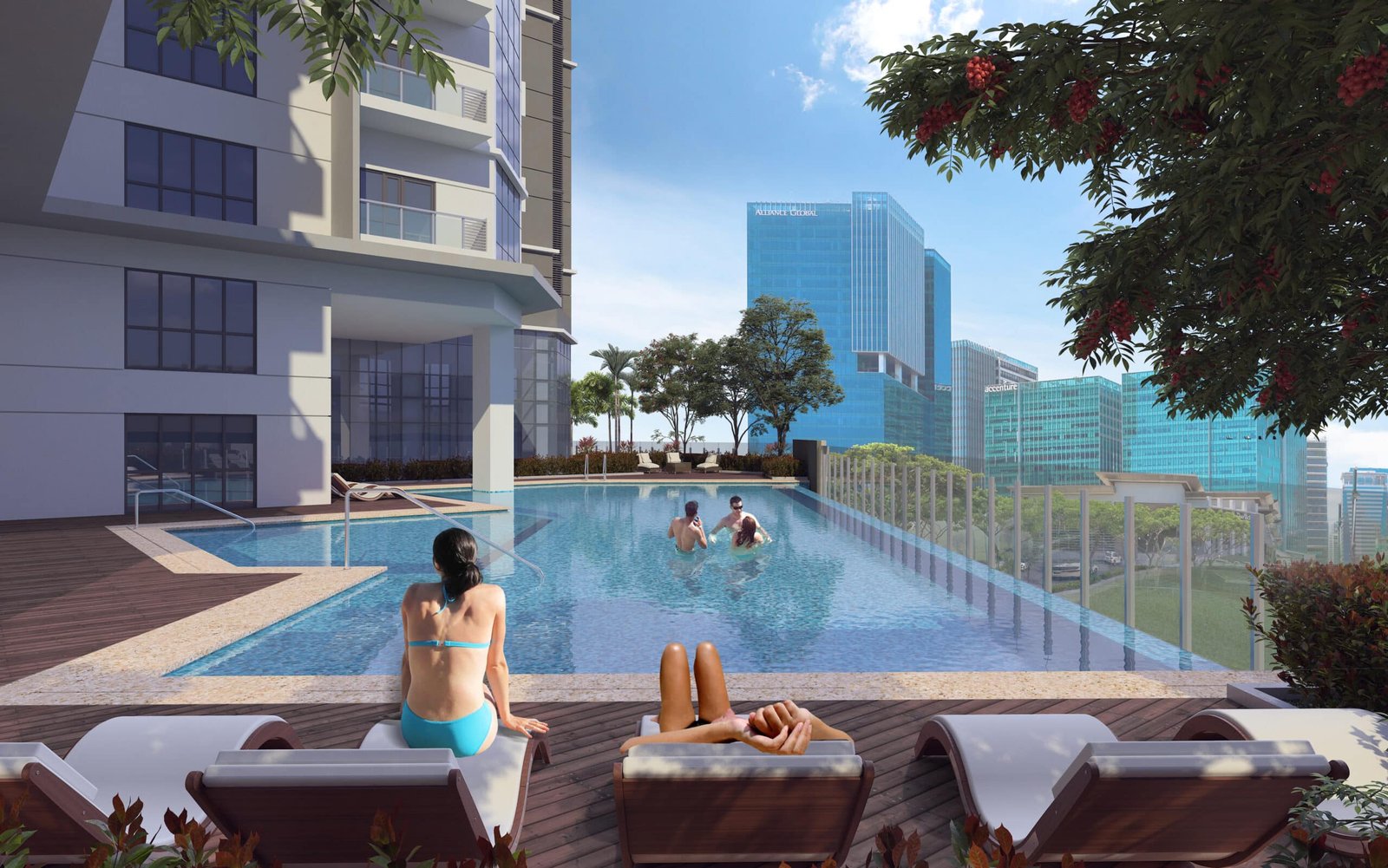
The part locals actually live for is the weekend markets. The Salcedo Saturday Market and the Legaspi Sunday Market are not tourist set-pieces — they are where CBD residents buy organic produce, artisanal bread, and street food, and they anchor the village-feel that Salcedo and Legaspi sell. For green space, Ayala Triangle Gardens sits in the middle of the financial district and Legazpi Active Park lands midway between Greenbelt and Makati Medical Center, one of the country's leading private hospitals and a real factor for families and older residents choosing the area.
Then there is Poblacion, which earns its own line. Makati's original Spanish-era settlement is now the undisputed center of Metro Manila nightlife — speakeasies, rooftop bars, live-music rooms, and a restaurant scene that runs from hole-in-the-wall to destination, packed into walkable blocks. It is loud, creative, and the cheapest way into Makati, which is precisely why it draws young professionals and the bar-and-restaurant crowd. The Makati lifestyle, in one sentence: an established CBD that you can walk, eat, and stay out in — the opposite of a district you drive home from at 6 p.m.
Makati or BGC: Which Should You Actually Choose?
Makati in 2026 is an established CBD actively defending its lead against a newer rival, and that contest is the current-state story. After years of watching BGC pull corporate tenants and headlines, the Makati Central Business District is in a redevelopment phase — the estate's managers and the city have floated a future-ready framework to modernize aging stock, refresh public space, and keep the district competitive (per 2026 market and city reporting; specifics subject to change).
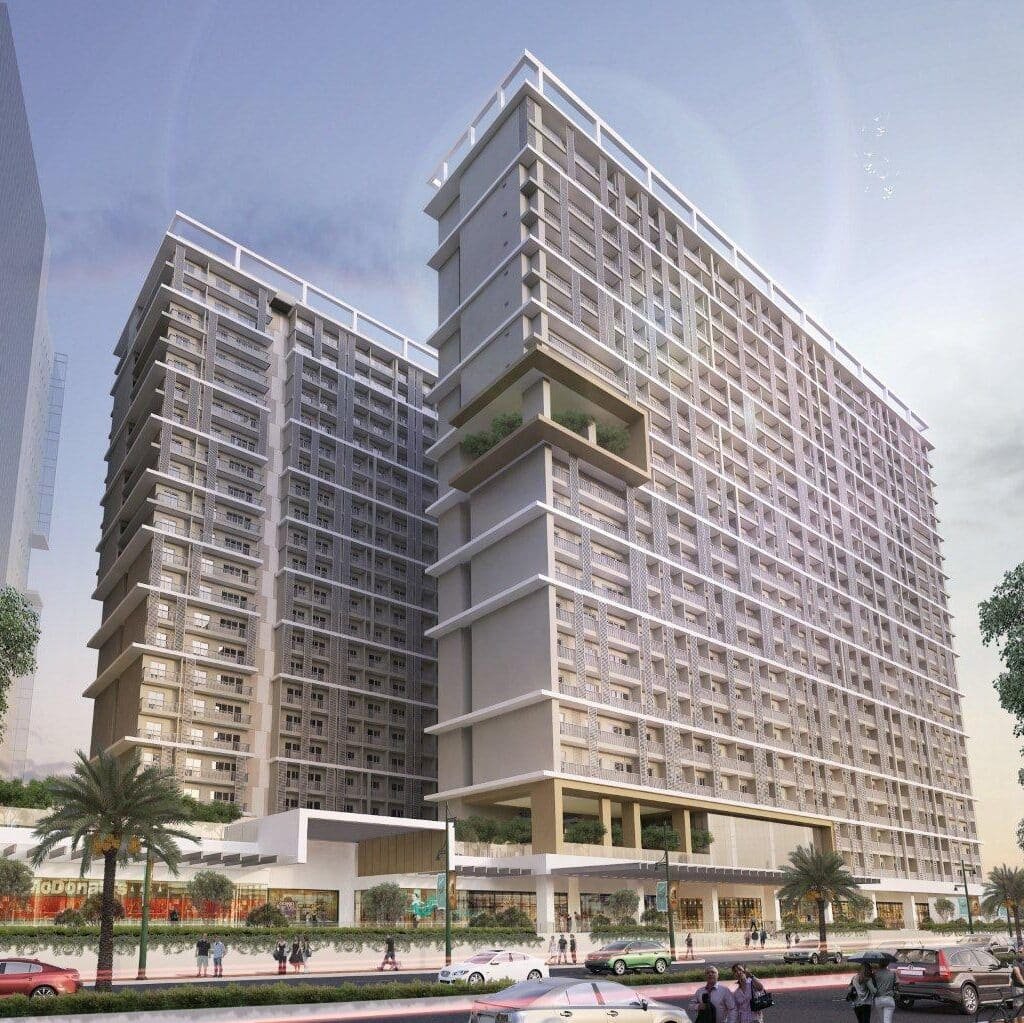
On the property side, the prime villages are still appreciating: Rockwell prices rose roughly 18% in the most recent two-year window and Salcedo has compounded steadily over the past decade, driven by supply constraints and sustained expat demand (market estimates from 2026 brokerage data). The net read for 2026: Makati remains the most established, most central, most genuinely urban choice in Metro Manila, with a premium price to match and a connectivity upgrade that is real but years out. Whether that established-city premium is worth it over a newer district is the comparison worth making directly. The honest version is the one most buyers are really making, because Makati and BGC are a short drive apart and aimed at the same professional. They are not interchangeable.
Definition — the core difference: Makati is the established, organically grown CBD — older buildings, deeper street life, weekend markets, real nightlife, and the country's oldest corporate core. BGC is the master-planned new district across the river in Taguig — newer towers, wider sidewalks, the most car-free walkability in Metro Manila, but less history and, for now, no rail of its own.
Choose Makati if: you want a central, established CBD with decades-deep dining, genuine nightlife in Poblacion, MRT-3 access today, and the widest price range in the city — from a Poblacion value studio to a Rockwell premium home.
Choose BGC if: you want the newest, most walkable, most car-free planned grid, the highest concentration of international schools in one district, and a master-planned calm — and you are willing to trade some street life and history for it. We make the full case in the sibling living in BGC 2026 guide and the head-to-head Makati vs BGC breakdown.
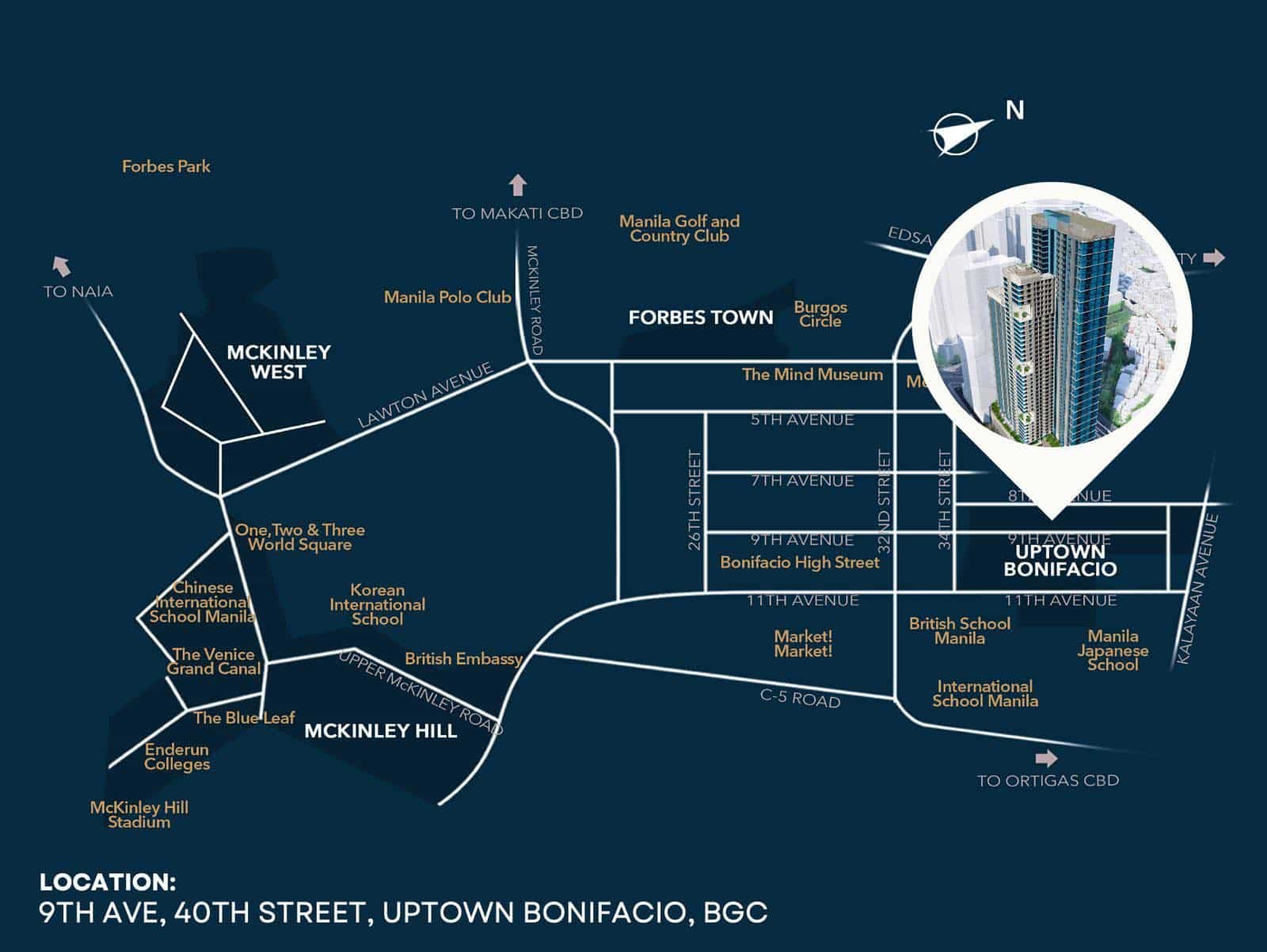
Because BGC sits a short drive across the C-5 from Makati, plenty of CBD professionals end up choosing a BGC or McKinley tower and commuting in. If that is the trade you are weighing, the nearby BGC and McKinley property options are the inventory to look at, with Park McKinley West the closest new-build alternative to a Makati address. For the emerging lower-entry play further out, see the Manila Bay area guide.
Who Is Makati Right For — and Who Should Look Elsewhere?
Makati is not the right answer for everyone, and saying so is more useful than pretending.
Makati fits you if: you work in or near the CBD and want to live in it; you value an established, walkable city center with real dining and nightlife over a newer planned grid; or you want the widest entry range in Metro Manila — Poblacion gives a genuine value door into a prime city, while Salcedo, Legaspi, and Rockwell climb to premium. The attainability piece is real: pre-selling generally makes a Makati-orbit unit reachable for a career professional, not only the already-arrived.
You might prefer elsewhere if: you want the newest, most car-free district or the densest cluster of international schools (both BGC), the lowest absolute prices in Metro Manila (look further out than the CBD), or you are an early investor hunting maximum upside at a low entry price (weigh the emerging Manila Bay corridor).
The City You Can Actually Live In, Not Just Work In
Strip away the brochure language and Makati's real value is that it is a complete city, not a campus: a place to walk to your office, shop a market your neighbors actually use, and stay out past midnight without leaving the district. Makati is not one decision but four, and the right one depends on which daily life you are buying. If an established, central, lived-in city is worth its premium to you, the entry point is closer than the headline prices suggest.
Here is the fastest way to turn this guide into a shortlist: tell us your budget and we will send Makati-area plus nearby BGC and McKinley options and the current price list — the pre-selling payment ladders and live promos that developers do not publish online — and connect you with a specialist for the buildings that fit.
About the Author
MSC Editorial is the in-house editorial team of Manila Skyline Condos. The MSC Editorial team researches Philippine condo buying, financing, and neighborhoods using primary legal and developer sources, tracking Metro Manila neighborhood data, transit projects, and live condo inventory across the Philippines — with a focus on the Makati Central Business District, Bonifacio Global City, and the McKinley districts of Taguig. Market figures in this guide are cited to listing platforms, brokerage data, and government transport announcements under Sources below.
A Quick, Honest Disclaimer
This guide is general information, not financial, investment, or relocation advice. Condo prices, rents, and living costs in Makati are 2026 market estimates that vary by building and district and change over time, and transit timelines are official targets subject to delay. Before deciding, confirm current figures and terms with a licensed Philippine real estate broker and verify project timelines with official sources.
Frequently Asked Questions
Is Makati a good place to live in 2026?
For people who want a central, established, walkable city center, yes — Makati is the Philippines' foremost CBD, with decades-deep dining, weekend markets, real nightlife in Poblacion, MRT-3 access, and Makati Medical Center inside the core. Its trade-offs are premium prices in the prime villages, older building stock than newer districts, and EDSA traffic on its edges.
Which Makati district should I live in?
It depends on budget and lifestyle. Salcedo and Legaspi villages offer walkable, central CBD living at mid-to-premium prices; Poblacion is the lowest-entry, nightlife-and-creative quarter; Rockwell is the upscale, self-contained enclave at the top of the price table; San Lorenzo and Bel-Air are established residential villages near the Ayala Center.
How much does it cost to rent a condo in Makati?
As a 2026 market estimate, a Poblacion studio or 1-bedroom runs roughly ₱25,000–₱45,000/month, a Salcedo or Legaspi 1-bedroom ₱35,000–₱70,000/month, a CBD 2-bedroom ₱80,000–₱150,000/month, and Rockwell units from ₱70,000 well past ₱200,000/month, varying by tower, floor, furnishing, and view. Confirm current figures, as rents move with the market.
How much does it cost to buy a condo in Makati?
Indicative 2026 prices run roughly ₱180,000–₱280,000 per square meter in the CBD (Salcedo, Legaspi), down to about ₱150,000–₱220,000 in Poblacion, and up to ₱250,000–₱380,000 per square meter in Rockwell, where the median list price sits near ₱312,000. Pre-selling lets you start with little or no down payment and pay across construction rather than in cash up front.
Can a foreigner buy a condo in Makati?
Yes. Foreigners can own a condominium unit in their own name in the Philippines, subject to the building's 40% foreign-ownership cap — they cannot own the land underneath. See our guide on whether foreigners can buy a condo in the Philippines for the full rules.
Is Makati walkable?
Inside the CBD villages — Salcedo, Legaspi, the Ayala Center, and Rockwell — yes; they were built dense and mixed-use, so daily errands, offices, malls, and markets sit within a few blocks. Outside the village grids you meet older Manila with narrower streets and heavier traffic, so Makati is walkable in pockets rather than uniformly like a newer planned district.
Does Makati have a subway?
Not yet. The national Metro Manila Subway is designed to serve Makati on its Valenzuela–NAIA–BGC line and is in multi-year construction with demonstration runs targeted later in the decade. A separate standalone Makati Intra-city Subway stalled and was the subject of a 2026 legal settlement. Makati does have MRT-3 access today at Ayala and Magallanes stations.
Is Makati or BGC better to live in?
Makati is the established, central, organically grown CBD with deeper dining, real nightlife, weekend markets, and MRT-3 access; BGC is the newer, master-planned district across the river with the most car-free walkability and the densest international schools. Choose Makati for an established city you can walk and stay out in; choose BGC for a finished, planned grid. The two are a short drive apart.
Is Poblacion a good area to live in Makati?
Poblacion is Makati's lowest-entry district and the center of Metro Manila nightlife — speakeasies, rooftop bars, and a deep restaurant scene in walkable blocks, which makes it popular with young professionals and the creative crowd. The trade-off is noise and density; it is the most affordable way into Makati but also the liveliest, for better and worse.
What is the best Makati district for expats working in the CBD?
Salcedo and Legaspi villages are the common picks — walkable, central, with weekend markets and quick access to Ayala Avenue offices and the Ayala Center malls. Rockwell suits expats wanting an upscale, self-contained enclave with Power Plant Mall, while those prioritizing the newest build often choose a nearby BGC or McKinley tower and commute in.
Sources
Neighborhood, cost, and transit facts in this guide were verified against the following sources. Cost and rent figures are 2026 market estimates that vary by building and district and change over time, and are flagged as such in-text.
- Makati CBD overview, districts (Salcedo Village, Legaspi Village, Ayala Triangle, Ayala Center), Ayala Avenue, Greenbelt/Glorietta — Makati Central Business District (Wikipedia): https://en.wikipedia.org/wiki/Makati_Central_Business_District ; Lamudi Makati City guide: https://www.lamudi.com.ph/journal/makati-city-guide/
- Makati condo rent and buy price ranges, per-sqm values, Rockwell/Salcedo yields (2026 estimates) — Lamudi Makati condo (rent): https://www.lamudi.com.ph/rent/metro-manila/makati/condo/ ; Lamudi Makati condo (buy): https://www.lamudi.com.ph/buy/metro-manila/makati/condo/ ; Lamudi Rockwell condo: https://www.lamudi.com.ph/buy/metro-manila/makati/rockwell-1/condo/ ; Franchise Manila 2026 Makati Condo Rental Yield Report (Salcedo, Legazpi, Rockwell): https://franchisemanila.com/2025/12/2026-makati-condo-rental-yield-report-salcedo-legazpi-rockwell/ ; Luxury Makati 2026 average condo price FAQ: https://luxurymakati.com/faq/average-condo-price-manila-2026 ; Hoppler Rockwell Center listings: https://www.hoppler.com.ph/condominiums-for-sale/makati/rockwell-center
- Makati lifestyle — Greenbelt, Glorietta, Power Plant Mall, Salcedo (Saturday) & Legaspi (Sunday) markets, Poblacion nightlife, Legazpi Active Park, Makati Medical Center, Ayala Triangle Gardens — Michelin Guide Makati neighborhood guide: https://guide.michelin.com/us/en/article/travel/neighborhood-guide-makati-metro-manila-philippines ; MakatiApartments.com lifestyle guide: https://makatiapartments.com/the-makati-city-lifestyle-dining-shopping-and-entertainment-2/ ; Bed and Go top Makati districts: https://www.bedandgoinc.com/post/top7makatidistricts-bestmanilarentalhotspotsforforeignexpats-investors ; Legazpi Active Park (Wikipedia): https://en.wikipedia.org/wiki/Legazpi_Active_Park
- Transit — MRT-3 Ayala/Magallanes, Metro Manila Subway Makati alignment (Valenzuela–NAIA–Makati–BGC), Feb 13 2026 BGC groundbreaking, 2028 demonstration target — Metro Manila Subway (Wikipedia): https://en.wikipedia.org/wiki/Metro_Manila_Subway ; Asian Journal (29-minute Valenzuela–BGC, BGC stations groundbreaking): https://asianjournal.com/philippines/metro-manila/metro-manila-subway-marcos-cites-29-minute-valenzuela-bgc-travel-time-as-bgc-stations-break-ground/ ; Railway News 2026 construction update: https://railwaynews.net/metro-manila-subway-project-philippines-valenzuela-to-paranaque.html
- Makati Intra-city Subway status (stalled, 2026 settlement with Philippine InfraDev) — Makati Intra-city Subway (Wikipedia): https://en.wikipedia.org/wiki/Makati_Intra-city_Subway ; Rappler on Makati–InfraDev settlement (2026): https://www.rappler.com/business/makati-city-subway-infradev-settlement-agreement-2026/ ; Philstar (Makati to settle with subway proponent, Feb 17 2026): https://www.philstar.com/opinion/2026/02/17/2508466/makati-settle-subway-proponent
- Makati CBD redevelopment / future-ready framework (2026) — KMC MAG Group research insight: https://kmcmaggroup.com/research-insights/makati-cbds-next-chapter-from-historic-achievements-to-future-ready-framework/ ; Manila Bulletin (Makati CBD up for redevelopment, 2025): https://mb.com.ph/2025/07/02/the-makati-central-business-district-is-up-for-redevelopment
- Nearby property pages linked as adjacent alternatives (verified locations, June 2026): Park McKinley West — McKinley West, Taguig (Megaworld), short drive from the Makati CBD: https://manilaskylinecondos.com/properties/park-mckinley-west ; the /properties index for BGC/McKinley inventory: https://manilaskylinecondos.com/properties
