

Cost of Living: Manila Bay Area vs BGC vs Makati (2026)
Cost of Living in the Manila Bay Area vs BGC and Makati: The Real 2026 Numbers
By MSC Editorial — the in-house editorial team of Manila Skyline Condos, tracking Metro Manila cost-of-living data, neighborhood comparisons, and live condo inventory across the Philippines.
"The next BGC" is a price-and-upside story — it says something about where a district might be headed, not about what a resident actually pays each month to live there today. Cost of living is the second, less glamorous question, and it is the one that determines whether a Manila Bay Area address actually works for a real household budget in 2026. This guide answers it directly, and honestly: Bay Area cost data is thinner than BGC’s or Makati’s, because the district’s residential market is smaller, younger, and still recovering from the POGO-era vacancy shock covered in our Manila Bay reclamation investment guide. Where a verified figure exists, it is cited. Where it does not, that gap is stated plainly rather than filled with an invented number.
For the district’s broader context — what "Manila Bay Area" actually covers, the reclamation-district history, and the infrastructure catalysts in play — see the Manila Bay Area 2026 neighborhood and investment guide. This article stays narrow and practical: rent, association dues, utilities, groceries, dining, healthcare, and transport, compared line by line against BGC and Makati, with every figure marked as either a live, sourced number or a clearly flagged estimate.
Key Takeaways
- Manila Bay Area rent is the cheapest of the three districts on live listing data: studio and 1-bedroom units at the MOA Complex list from roughly ₱22,000/month, versus BGC’s ₱28,000+ studio floor and Makati’s ₱25,000+ Poblacion floor — not apples-to-apples, since Bay Area building stock and amenity level differ from BGC/Makati’s newer towers.
- No verified, district-specific cost-of-living dataset exists for the Manila Bay Area the way it does for BGC (Numbeo Taguig City) and Makati (Numbeo Makati) — Numbeo has no standalone Pasay or Parañaque city page. Dues, utility, grocery, dining, and healthcare figures for the Bay Area are labeled as assumed estimates built from the Taguig/Makati data, not confirmed Bay Area figures.
- All-in monthly cost for a solo professional in a comparable 1-bedroom setup lands in a similar band across all three districts — roughly ₱65,000–₱95,000/month — once dues, utilities, groceries, dining, and transport are added to the lower Bay Area rent; the district’s rent discount narrows once the full monthly picture is built.
- Manila Skyline Condos has no live property listings in the Manila Bay Area. Every property link in this article routes to a verified BGC alternative — Uptown Modern or Uptown Arts Residence — because that is where our confirmed live inventory actually sits today. For current Bay Area price lists and payment terms, contact us directly.
- The Bay Area’s ~57% condo vacancy rate (Colliers, Q4 2025) — covered in depth in our reclamation investment guide — is itself a cost-relevant fact for renters: high vacancy typically gives tenants more negotiating leverage on asking rent than in BGC or Makati, where occupancy is tighter.
- Grocery and dining costs are sourced from Numbeo’s Taguig City and Makati item-level indices (fetched July 2026); no equivalent index exists for the Bay Area, so those lines are shown as an assumed midpoint of the two — flagged clearly as an estimate.
What Does "Manila Bay Area Cost of Living" Actually Mean in 2026?
The Manila Bay Area — the Bay City corridor spanning reclaimed land in Pasay and Parañaque, anchored by the Mall of Asia Complex and Entertainment City — is not a single, settled residential market the way BGC or Makati CBD is. It is a newer, more concentrated corridor: fewer completed towers, a resident base still shifting away from the departed POGO workforce, and a vacancy rate Colliers put at roughly 57.3% in Q4 2025, the highest of any Metro Manila submarket. The full reclamation-status picture is covered in the Manila Bay reclamation investors guide; the pillar Manila Bay Area 2026 guide covers location and access.
What that means for a cost-of-living comparison: BGC and Makati have years of accumulated market data — brokerage rent surveys, Numbeo crowd-sourced cost benchmarks, published association-dues ranges. The Bay Area does not have an equivalent depth of published, district-specific data. Numbeo, for example, indexes cost-of-living data for "Taguig City" and "Makati" individually, but has no standalone city page for Pasay or Parañaque as of this writing (verified July 2026). That gap is real, and this article does not paper over it — every number below is either cited to a live source or explicitly flagged as an assumed estimate.
Numbeo indexes cost-of-living data for "Taguig City" and "Makati" individually, but has no standalone city page for Pasay or Parañaque as of this writing — verified directly, not assumed.
How Much Does Rent Actually Cost in the Manila Bay Area Right Now?
Live listings are the one category where the Manila Bay Area has real, checkable numbers. Hoppler’s current inventory for the Mall of Asia Complex, Pasay — specifically the Shore Residences and Shell Residences buildings, checked July 2026 — shows studio units from roughly ₱22,000/month (27 sqm), 1-bedroom units from ₱22,000 to ₱45,000/month (24–38 sqm depending on unit and floor), and 2-bedroom units around ₱45,000/month (58 sqm). Those figures sit meaningfully below BGC’s studio floor of roughly ₱28,000/month and are close to, or below, Makati’s cheapest Poblacion tier.
The discount is not a fluke of one or two listings — it tracks the vacancy picture. At an estimated 57.3% condo vacancy (Colliers, Q4 2025), Bay Area landlords are competing for a smaller pool of tenants than their BGC or Makati counterparts, and that shows up directly in asking rent and in how much room a renter typically has to negotiate. A prospective tenant working directly with a Bay Area landlord or broker in 2026 should expect more flexibility on price, deposit terms, and lease length than the same conversation would produce in a tighter BGC building.
A studio at ₱22,000 a month in the Bay Area and a studio at ₱28,000 a month in BGC are not identical apartments with a ₱6,000 discount attached.
That said, a lower asking rent buys a different product, not just a cheaper version of the same one. Bay Area buildings at this price point are a mix of older and newer stock, generally with a lighter amenity deck than a comparable-priced BGC or Makati unit built in the same construction cycle. That is a qualitative judgment a renter has to make in person; this guide only covers the price side of it.
What Do BGC Residents Pay Each Month? A Cost Baseline
BGC sits at the premium end of Metro Manila. A single professional in a studio runs roughly ₱60,000–₱85,000/month all-in (rent, association dues, utilities, groceries, dining, transport); a mid-career expat couple in a 1-bedroom budgets ₱130,000–₱180,000/month; an OFW-funded family in a 2-bedroom runs ₱185,000–₱260,000/month. Association dues typically run ₱100–₱200+ per sqm/month, and utilities for a 1-bedroom run ₱6,000–₱11,000/month.
On the grocery and dining side, Numbeo’s Taguig City index (fetched July 2026) shows a mid-range restaurant meal for two running about ₱1,600, an inexpensive single meal around ₱250, and a cappuccino around ₱154. Basic grocery items track similarly moderate: milk around ₱121/liter, rice around ₱55/kg, chicken fillets around ₱290/kg, and beef around ₱494/kg — a monthly grocery-and-dining line of ₱15,000–₱25,000 within the ₱60,000–₱85,000 all-in BGC studio budget above is a reasonable expectation.
The full line-by-line breakdown — including three fully worked budget profiles — is in the Cost of Living in BGC guide.
What Do Makati Residents Pay Each Month? A Cost Baseline
Makati is not a single price point either — Poblacion, Salcedo, Legaspi, and Rockwell each carry a different cost tier. A Poblacion studio setup runs roughly ₱65,000–₱80,000/month all-in; a Salcedo/Legaspi 1-bedroom lifestyle runs ₱90,000–₱135,000/month. Makati typically runs 10–20% higher than a comparable BGC address for most solo-professional profiles, driven by older-building association dues and slightly higher utility costs in aging mechanical systems.
Numbeo’s Makati index (fetched July 2026) confirms the premium: a mid-range two-person restaurant meal runs about ₱2,500 versus Taguig’s ₱1,600, an inexpensive meal around ₱400 versus ₱250, and a cappuccino around ₱164. Grocery items run modestly higher too — rice around ₱65/kg, chicken fillets around ₱309/kg, beef around ₱438/kg. Numbeo’s own aggregate estimate for a single person’s monthly costs in Makati, excluding rent, is ₱44,566.80 — a useful cross-check against the bundled ₱65,000–₱80,000 Poblacion figure above.
The full worked budgets are in the Cost of Living in Makati guide.
How Do Utilities, Association Dues, and Transport Compare Across the Three Districts?
The table below pulls live Bay Area rent data from current Hoppler listings against the BGC and Makati figures already sourced above. Where no verified Bay Area figure exists, the cell is marked as an assumed estimate using the same convention documented for BGC/Makati — not a confirmed number.

| Line item | Manila Bay Area | BGC | Makati (Salcedo/Legaspi) |
|---|---|---|---|
| Studio rent | ₱22,000/mo (27 sqm, live Hoppler MOA Complex listing) | ₱28,000–₱45,000/mo | ₱25,000–₱45,000/mo (Poblacion) |
| 1-bedroom rent | ₱22,000–₱45,000/mo (24–38 sqm, live listing) | ₱45,000–₱75,000/mo | ₱35,000–₱70,000/mo |
| 2-bedroom rent | ₱45,000/mo (58 sqm, live listing) | ₱75,000–₱130,000/mo | ₱80,000–₱150,000/mo |
| Association dues | Assumed, ₱100–₱200+/sqm/mo — no verified Bay Area figure; same convention as BGC/Makati | ₱100–₱200+/sqm/mo | ₱100–₱200+/sqm/mo |
| Utilities (1BR) | Assumed, ₱5,500–₱11,000/mo — no verified Bay Area figure; Metro Manila-wide Numbeo benchmark used as proxy | ₱6,000–₱11,000/mo | ₱5,500–₱11,700/mo |
| Groceries + dining (solo) | Assumed, ₱12,000–₱20,000/mo — midpoint of Taguig/Makati Numbeo item-level indices; no Bay Area-specific index exists | ₱15,000–₱25,000/mo (per Numbeo Taguig) | ₱18,000–₱28,000/mo (per Numbeo Makati) |
| Transport (no car) | Assumed, ₱3,000–₱7,000/mo — comparable to BGC/Makati given similar ride-hail density; no Bay-specific transit pass data | ₱3,000–₱6,000/mo | ₱3,500–₱7,000/mo |
| Condo vacancy rate | ~57.3% (Colliers, Q4 2025) | Not separately published at this granularity | Not separately published at this granularity |
Sources: Hoppler MOA Complex condo rental listings, Pasay, live-checked July 2026 — figures reflect currently listed units, not a full-market average. BGC and Makati figures per Cost of Living in BGC and Cost of Living in Makati, sourced to Lamudi, Hoppler, and Numbeo. Colliers vacancy figure per BusinessWorld, February 2026, cited in full in the Manila Bay reclamation guide.
The headline rent gap is real: on live listings, a Bay Area studio or 1-bedroom starts well below BGC’s and roughly matches Makati’s cheapest tier. But rent is not the whole monthly picture. BGC and Makati towers at these price tiers tend to be newer stock with fuller amenity decks; the Bay Area’s lower-rent units are a mix of building ages and amenity levels in a market where landlords currently have less pricing power.
A lower asking rent in a softer market is not automatically a lower total cost of living once dues, utilities, and the practical reality of a less mature retail and dining ecosystem are added in.
Running the resulting all-in number against a rule of thumb like the 40% guideline for housing spend relative to income is a useful sanity check before signing a lease.
Line items are useful, but most people budget by household type. The table below converts the figures already established in this guide into three profiles, and is explicit about which Bay Area cells are sourced and which are estimated.
| Household profile | Manila Bay Area | BGC | Makati |
|---|---|---|---|
| Solo professional (studio/1BR) | Not separately modeled — see the ₱65,000–₱95,000/mo 1BR estimate below, the closest available Bay Area figure | ₱60,000–₱85,000/mo | ₱65,000–₱80,000/mo (Poblacion) |
| Professional couple (1BR lifestyle) | Assumed, ~₱65,000–₱95,000/mo — per Key Takeaways above | ₱130,000–₱180,000/mo | ₱90,000–₱135,000/mo (Salcedo/Legaspi) |
| OFW-funded family (2BR) | Not independently sourced for the Bay Area — contact us for a district-specific estimate | ₱185,000–₱260,000/mo | Not published in this guide; see the Cost of Living in Makati guide |
Bay Area cells are estimates built from the rent and cost data cited above and in the sibling BGC/Makati guides, not independently verified Bay Area budget studies.
What Do Groceries, Dining, and Healthcare Actually Cost in the Bay Area?
BGC and Makati both have a citable grocery and dining baseline through Numbeo’s item-level indices, shown above. The Bay Area does not. Rather than inventing a third number, the most defensible move is to show the range bounded by the two verified data points: rice runs ₱55–₱65/kg, a dozen eggs ₱114–₱142, and chicken fillets ₱290–₱309/kg between the Taguig and Makati indices — a reasonable Bay Area assumption is the middle of that band, not a verified figure. Dining follows the same logic: an inexpensive meal runs ₱250 in Taguig and ₱400 in Makati, a mid-range two-person meal ₱1,600 versus ₱2,500. Absent Bay Area-specific pricing, a working assumption sits closer to the Taguig end, given the corridor’s less premium retail ecosystem — an inference from context, not a sourced number.
Healthcare is the thinnest data category across all three districts, not just the Bay Area — Numbeo does not publish itemized procedure or consultation pricing for any Metro Manila city. What can be said with confidence is qualitative: BGC and Makati residents have direct access to major private hospitals within their districts (St. Luke’s Medical Center BGC, Makati Medical Center), while a Bay Area resident in Pasay or Parañaque is typically a short trip from Asian Hospital and Medical Center (Alabang) rather than a hospital inside the immediate district.
PhilHealth coverage and HMO plans work identically regardless of address; what differs is proximity and travel time to a tertiary hospital, not the underlying cost structure of Philippine private healthcare.
This guide does not have a verified, district-specific healthcare cost index for any of the three districts and does not present one.
Transport follows the same logic as groceries. The assumed ₱3,000–₱7,000/month range for a car-free Bay Area resident above reflects comparable ride-hail density to BGC and Makati, not a Bay Area-specific fare survey. One structural difference: the corridor has no Metro Manila Subway or MRT/LRT stations planned inside Pasay’s Bay City precinct the way BGC has one in development — a future consideration, not a 2026 cost figure, and not counted in the estimate above.
Why Are Bay Area Costs Still Forming, Not Settled?
The honest framing is that Manila Bay Area cost of living is a market still finding its post-POGO equilibrium, not a settled number the way BGC’s or Makati’s costs are. Three structural facts explain why:
The tenant base changed underneath the district. From roughly 2016 to 2022, POGO companies and their workers drove Bay Area rents and occupancy. When that sector contracted, vacancy spiked to the ~57% level Colliers reported for Q4 2025 — the highest of any Metro Manila submarket.
Rents in a market with that much vacant supply do not behave the same way rents in a tight market like BGC do.
Landlords are still recalibrating a stable asking price against a resident base of gaming/hospitality workers, BPO employees, and airport-proximity renters rather than the departed POGO wave. The full detail is in the Manila Bay reclamation investors guide.
Published cost-of-living data hasn’t caught up. Numbeo, Expatistan, and most brokerage surveys track Metro Manila’s established CBDs — Makati and BGC/Taguig — because that’s where the bulk of the professional population that generates crowd-sourced data lives. That is a market-maturity gap, not a reason to substitute a guessed number for a missing one.
The reclamation question adds a layer of uncertainty. Whether the wider Bay City corridor expands with new reclaimed land — and what that would do to future supply and rents — depends on a national environmental review unresolved as of mid-2026. That is part of why underwriting a long-term Bay Area cost trend is harder than for BGC or Makati, where the footprint is fixed. Treat every Bay Area-specific estimate here as a working assumption, and re-confirm rent, dues, and utilities with a building administrator before signing anything.
Where Does Live Manila Skyline Condos Inventory Actually Exist Today?
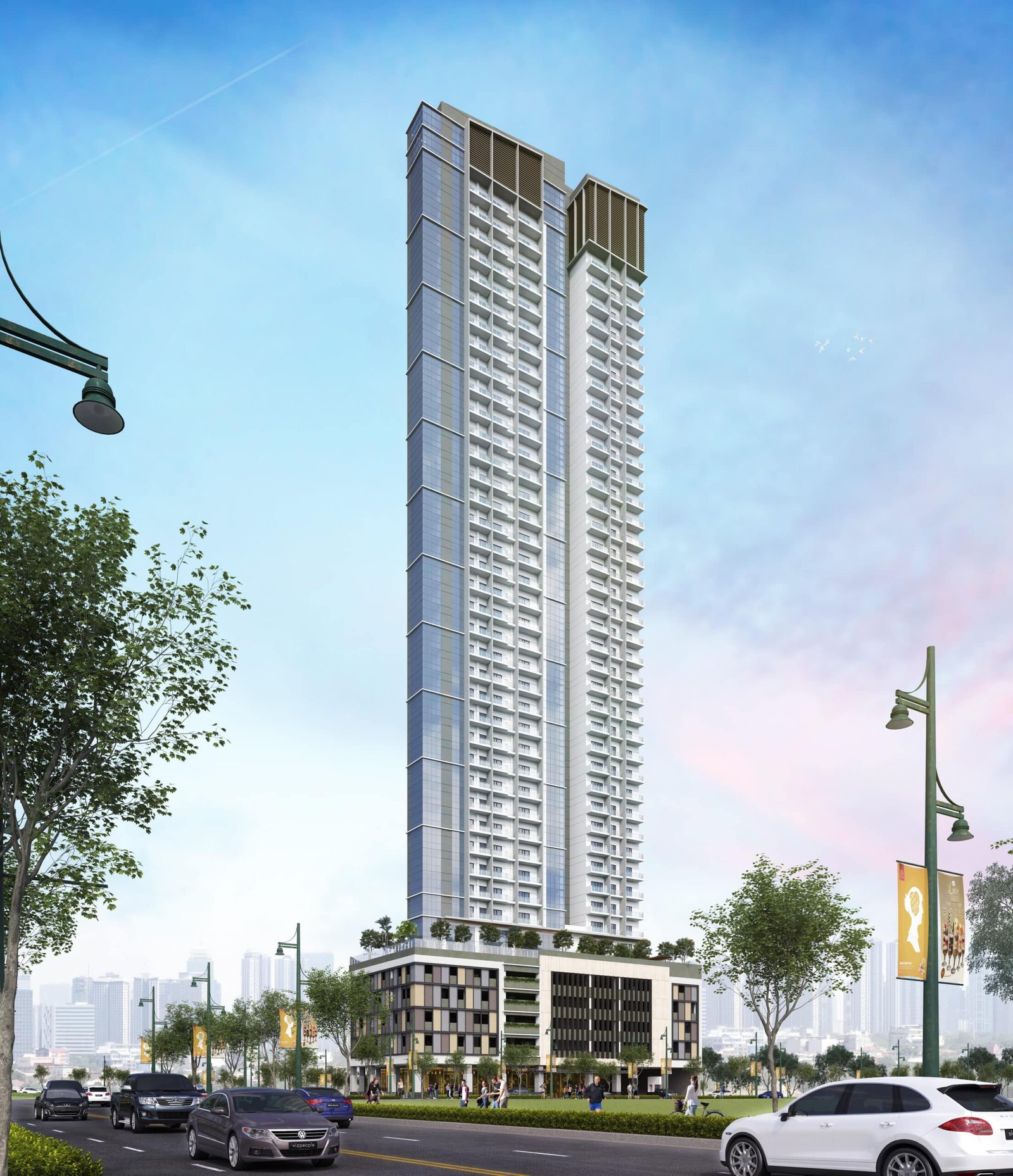
This is the section most Bay Area content skips: Manila Skyline Condos does not currently have a live property listing located in the Manila Bay Area. Every property link in this guide routes to confirmed live inventory in BGC, because that is where our current listings actually are.
If a Manila Bay Area address is the goal specifically, the honest next step is a direct conversation: contact us with your budget and target district and we will send current Bay Area price lists and payment terms from the developers active in that corridor (Sail Residences and Coast Residences by SMDC, Bayshore Residential Resort by Megaworld — named factually in our reclamation guide, none of them sold or represented by Manila Skyline Condos).
If a BGC address is genuinely on the table as an alternative — given the cost comparison above shows the two districts land in a similar all-in monthly range once dues and utilities are added — two confirmed live options are Uptown Modern and Uptown Arts Residence, both in Uptown Bonifacio, BGC. Browse the full current inventory at our properties page.
The Bottom Line
On rent alone, Manila Bay Area listings currently undercut BGC and roughly match Makati’s cheapest tier. But rent is one line in a monthly budget, not the whole number — and the district’s cost-of-living picture is genuinely less mature than BGC’s or Makati’s, a direct consequence of the vacancy overhang and tenant-base shift the Bay Area is still working through.
Treat any Bay Area monthly-cost figure that isn’t tied to a live listing or a named source as an estimate, not a fact.
That includes the groceries, dining, healthcare, and transport figures in this article labeled that way.
About the Author
MSC Editorial is the in-house editorial team of Manila Skyline Condos. The team researches Philippine condo buying, financing, and neighborhoods using primary legal and developer sources, tracking Metro Manila cost-of-living data and live inventory across the Philippines — with a focus on the Manila Bay Area, BGC, and Makati. Figures in this article are cited to listing platforms and brokerage/analyst data under Sources below; figures without a citable source are labeled as assumed estimates.
Disclaimer
This article is general information, not financial, investment, or relocation advice. Manila Bay Area rent figures are live Hoppler listings checked July 2026 and reflect currently listed units, not a verified market-wide average; they will shift as inventory turns over. Association-dues, utility, grocery, dining, healthcare, and transport figures for the Manila Bay Area are not backed by a verified district-level source and are labeled as assumed illustrations based on the BGC/Makati convention — confirm actual costs with a building’s administrator before deciding. Before making any decision, verify current figures with a licensed Philippine real estate broker and the primary sources cited.
Frequently Asked Questions
Is the Manila Bay Area cheaper to live in than BGC or Makati?
On rent alone, yes — live Hoppler listings at the MOA Complex show studio and 1-bedroom units from roughly ₱22,000/month, below BGC’s ₱28,000+ studio floor and in line with Makati’s cheapest Poblacion tier. But once dues, utilities, groceries, dining, and transport are added, a comparable 1-bedroom lands in a similar ₱65,000–₱95,000/month band across all three districts — the rent gap narrows once the full picture is built, and the added lines are estimates, not confirmed Bay Area figures.
What does rent actually cost in the Manila Bay Area in 2026?
Based on live Hoppler listings for the Mall of Asia Complex, Pasay (checked July 2026): studio units from ₱22,000/month (27 sqm), 1-bedroom units ₱22,000–₱45,000/month (24–38 sqm), and 2-bedroom units around ₱45,000/month (58 sqm). These reflect currently listed units, not a full-market average, and will change as inventory turns over.
Why don’t verified cost-of-living figures exist for the Manila Bay Area the way they do for BGC and Makati?
Numbeo, the platform used to source BGC (Taguig) and Makati figures, has no standalone city page for Pasay or Parañaque. This reflects the Bay Area’s smaller, less-established professional resident base — a market-maturity gap tied to the district’s high condo vacancy (~57.3%, Colliers, Q4 2025) following the POGO sector’s contraction, covered in full in our reclamation guide.
Does Manila Skyline Condos have condo listings in the Manila Bay Area?
No. Manila Skyline Condos does not currently have a live property listing located in the Manila Bay Area. Property links in this article route to confirmed live BGC inventory (Uptown Modern and Uptown Arts Residence). For current Bay Area price lists from developers active in that corridor, contact us directly with your budget.
What does a professional couple’s all-in monthly budget look like in the Manila Bay Area versus BGC and Makati?
A professional couple in a 1-bedroom setup budgets roughly ₱130,000–₱180,000/month in BGC and ₱90,000–₱135,000/month in Makati’s Salcedo/Legaspi area, per the sibling cost-of-living guides. No independently sourced Bay Area figure exists at this size; the closest estimate is the ₱65,000–₱95,000/month band in the Key Takeaways above, built from Bay Area rent plus the BGC/Makati convention, not a confirmed Bay Area budget study.
How much do groceries and dining cost in the Manila Bay Area compared to BGC and Makati?
BGC (Taguig) and Makati both have real Numbeo pricing: an inexpensive restaurant meal runs about ₱250 in Taguig and ₱400 in Makati; a kilo of rice runs about ₱55 in Taguig and ₱65 in Makati. No equivalent index exists for the Bay Area, so this guide shows the figure as an assumed estimate near the Taguig end of that range, reflecting the corridor’s less premium retail ecosystem — not a confirmed Bay Area number.
What does healthcare access and cost look like in the Manila Bay Area versus BGC or Makati?
No Metro Manila district has a published, itemized healthcare cost index on Numbeo, so this guide does not present healthcare cost figures for any of the three. What differs qualitatively is proximity: BGC and Makati residents live near major private hospitals (St. Luke’s Medical Center BGC, Makati Medical Center), while a Bay Area resident is typically a short trip from Asian Hospital and Medical Center in Alabang rather than a hospital inside the immediate district.
Is the Manila Bay Area’s ~57% condo vacancy rate good or bad news for a renter?
For a renter, high vacancy is generally good news: it typically gives tenants more negotiating leverage on asking rent, deposit terms, and lease length than a tighter market like BGC or Makati offers. The same ~57.3% vacancy rate (Colliers, Q4 2025) is a caution flag for a buyer or investor, since it signals a market still absorbing oversupply, covered in the Manila Bay reclamation investors guide.
Should low rent alone be the deciding factor for choosing the Manila Bay Area over BGC or Makati?
No. On rent alone the Bay Area is the cheapest of the three, but once association dues, utilities, groceries, dining, and transport are added, a comparable 1-bedroom setup lands in a similar ₱65,000–₱95,000/month all-in band across all three districts. Building age, amenity level, and the maturity of the surrounding retail and dining ecosystem also differ and are not captured in a rent-only comparison — those are worth weighing alongside price.
How reliable are the Manila Bay Area figures in this guide compared to the BGC and Makati figures?
Rent figures for the Bay Area are live, checkable Hoppler listings. Dues, utility, grocery, dining, healthcare, and transport figures are explicitly labeled estimates built from the same conventions used for the sourced BGC and Makati figures, not independently confirmed Bay Area data — the gap exists because no crowd-sourced or brokerage cost index currently covers Pasay or Parañaque the way Numbeo covers Taguig and Makati.
Sources
Cost and living figures here mix live listing data (Bay Area rent), estimates from the BGC and Makati sibling guides, and Numbeo item-level grocery/dining data fetched July 2026. Figures without a citable Bay Area-specific source are labeled as assumed estimates in-text.
- Manila Bay Area condo rent (Mall of Asia Complex, Pasay — Shore Residences, Shell Residences), live listings — Hoppler: https://www.hoppler.com.ph/condominiums-for-rent/pasay/mall-of-asia-complex (fetched and verified July 2026)
- BGC cost-of-living, grocery, and dining figures (rent, dues, utilities, worked budgets) — full sourcing in Cost of Living in BGC: Lamudi, Hoppler, Numbeo Taguig City (item-level grocery/dining data fetched July 2026): https://www.numbeo.com/cost-of-living/in/Taguig-City
- Makati cost-of-living, grocery, and dining figures (rent, dues, utilities, worked budgets) — full sourcing in Cost of Living in Makati: Lamudi, Hoppler, Numbeo Makati (item-level grocery/dining data fetched July 2026): https://www.numbeo.com/cost-of-living/in/Makati
- Manila Bay Area condo vacancy (~57.3%, Q4 2025) and reclamation status — full sourcing in Why Investors Are Watching the Manila Bay Reclamation District: Colliers Philippines via BusinessWorld: https://www.bworldonline.com/corporate/2026/02/03/728047/manila-condo-oversupply-seen-keeping-vacancy-high-this-year-colliers/
- Numbeo has no standalone Pasay or Parañaque city cost-of-living page — verified directly against https://www.numbeo.com/cost-of-living/in/Pasay and https://www.numbeo.com/cost-of-living/in/Paranaque (both returned "cannot find city" as of July 2026)
- Property locations (verified live, July 2026) — Uptown Modern: https://manilaskylinecondos.com/properties/uptown-modern ; Uptown Arts Residence: https://manilaskylinecondos.com/properties/uptown-arts-residence
Verification and geographic accuracy note: All Manila Bay Area rent figures are live Hoppler listings for the Mall of Asia Complex, Pasay, fetched and confirmed July 2026 — not a Numbeo or brokerage-report figure. Numbeo was directly checked and confirmed to have no standalone Pasay or Parañaque city page; grocery and dining figures for BGC and Makati are drawn directly from Numbeo’s Taguig City and Makati item-level indices, fetched July 2026, and the equivalent Bay Area lines are clearly labeled assumed estimates built from those two data points. Geographic honesty: no Taguig or BGC property is labeled as Manila Bay Area anywhere in this article; the hero image is a BGC tower (Uptown Modern) explicitly captioned as a comparison anchor. Manila Skyline Condos currently has no live property page located in the Manila Bay Area — property CTAs route to confirmed BGC inventory or the gated /contact form for Bay Area-specific requests.
